
I have eaten mushrooms in at least nine countries, including once from a street cart in some tiny town about an hour outside Chiang Mai where the vendor and I communicated entirely through hand gestures and enthusiastic nodding. They were incredible. I think about them constantly.
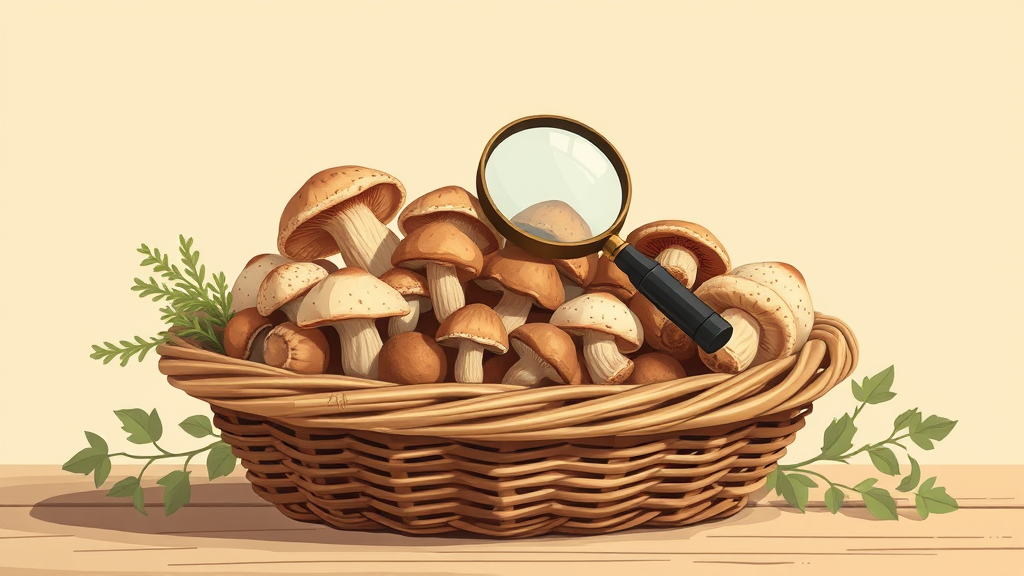
But mention mushrooms to people and you'd think you were suggesting they eat glass. The fear is real and some of it is fair, because yes, some wild mushrooms will absolutely ruin your day. But a lot of what people believe about mushrooms is just... wrong.
A recent piece broke down 11 of the most common mushroom myths, and a few of them are things I've heard from friends, family, and people watching me order mushroom soup with visible concern.
So let's clear some of these up.
Myth: Mushrooms have no nutritional value. People treat mushrooms like they're just flavor sponges, which, okay, they kind of are, but they're also packed with B vitamins, selenium, potassium, and even a bit of protein. They're one of the few food sources of vitamin D, especially if they've been exposed to UV light. Not bad for something that technically isn't even a plant.
Myth: White button mushrooms are basically useless compared to fancy varieties. I love a good chanterelle situation, but the humble button mushroom is cheap, easy to find, and genuinely good for you. Don't let anyone shame your grocery store mushrooms.
Myth: You should always peel or wash mushrooms. This one I learned the hard way after soaking a batch of porcini until they turned into sad little sponges. A quick brush with a damp towel is all most mushrooms need. They're like sponges, which means they'll absorb water if you let them, and nobody wants a watery mushroom.
Myth: All wild mushrooms are dangerous. Some are. Some will send you to the hospital. But plenty of wild mushrooms are completely safe and delicious, and the foraging community in places like the Pacific Northwest and parts of Eastern Europe treats mushroom hunting like a sacred seasonal ritual. The key is knowing what you're doing, or going with someone who does.
Myth: Mushrooms are a garnish, not a main. I've had portobello mushrooms that put steaks to shame. Marco would probably agree with me on this, and if you've ever had a properly grilled king oyster mushroom sliced thick with some garlic and butter, you already know.
Myth: Raw mushrooms are toxic. Most grocery store mushrooms are totally fine raw. I throw them in salads all the time. Some wild varieties do need cooking, but your standard white buttons? Go for it.
The other myths cover things like whether mushrooms count as vegetables (they're fungi, but nutritionally they function like vegetables for meal planning), whether canned mushrooms are actually decent (they are, for certain things), and whether you need a special knife to cut them (you don't, though some foragers are very opinionated about this).
What I keep coming back to is that mushrooms are one of those ingredients people either love passionately or avoid suspiciously, and the suspicious crowd is mostly working from bad information. Half the magic of eating is context, and I think mushrooms suffer from a context problem. People picture toadstools in fairy tales and forget that somewhere in that same forest is a chanterelle that would change their life.
So next time you're at a market somewhere new and you see a mushroom dish on the menu, order it. Or don't. But at least let it be because you're not in the mood, not because someone once told you mushrooms are basically decorative dirt absorbers with no nutritional value.
They deserve better than that.
Comments (0)
Log in or sign up to join the conversation.
No comments yet. Be the first.