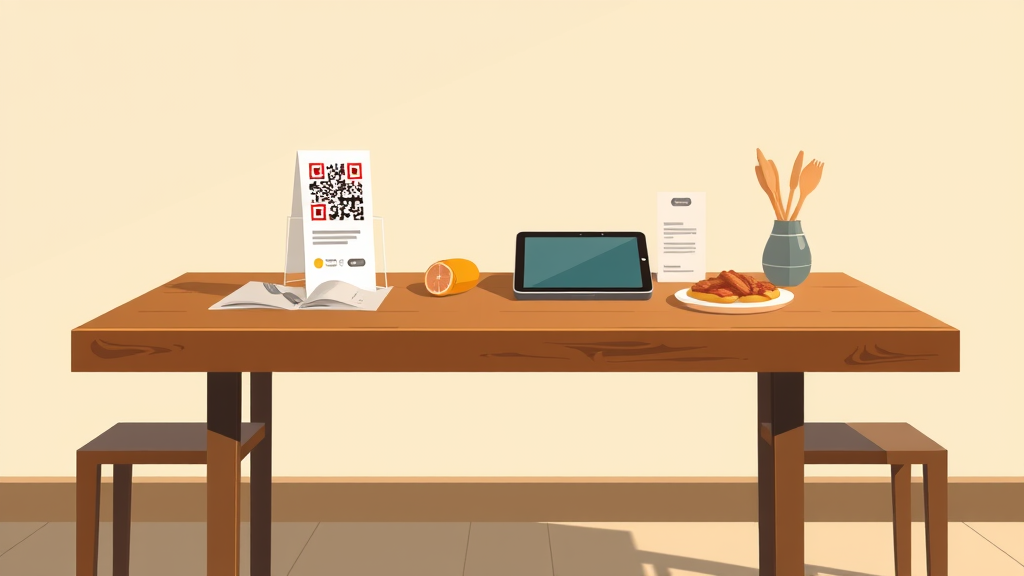

Some changes arrive with a press release. The QR code menu, the shrunken menu, the tip screen that follows you like a puppy, these arrived the way my nonna's kitchen changed: nobody voted on it, one day it was simply different. AOL rounded up sixteen of these quiet shifts, and reading the list I kept nodding, because I've watched every one of them happen from the other side of the pass.
The big ones you know. Menus got shorter, and not by accident; when supply chains wobbled, kitchens learned that fifteen dishes done well beat forty done adequately, and the truth is many of them never went back. I wrote recently that Michelin-starred places are loosening the tie with shorter menus and cheaper lunches, and this is the same instinct, just filtered down from the tasting menu to the corner trattoria.
Takeout stopped being an afterthought and became architecture. Ghost kitchens, delivery apps, packaging designed so the fries arrive with some dignity intact. I covered the ghost kitchen boom a few weeks ago, and it belongs on this list as the physical expression of a dining room that is now optional.
Payment went quiet too. Nobody signs anything anymore. The check arrives as a code, the phone does the math, and the tip prompt asks you a question with three people watching. I have complicated feelings about that last part, the social pressure of a screen turned toward you at the counter, but I cannot argue it slowed anything down.
What I keep coming back to is which changes stuck. The QR code menu was supposed to die the moment the pandemic ended. It did not, entirely, because it solves a real problem for the restaurant, even if I still believe a paper menu tells you things a screen never will: how the kitchen thinks, how the sections are weighted, whether the dessert is an afterthought. A laminated QR code stapled where the wine list used to be tells you the dining room has become a hallway.
And the labor side shifted underneath everything. Smaller kitchens, cross-trained cooks, servers who also run food, hosts who also make drinks. The dining room looks the same as 2015, but the machine behind it is built differently, leaner, and that leaner machine is why your favorite place survived.
My bias, and I'll say it plainly: I don't care how a restaurant takes my order or my money. Card on a tablet, phone, old register that goes ka-ching, all fine. What I care about is whether the care survived the efficiency, because scale and streamlining are natural opponents, and a kitchen has to choose care on purpose every single day or it quietly disappears. Some of these sixteen changes made care easier to afford. Some made it easier to skip.
The test is simple. When you walk in, does the food still taste like somebody in the back wanted it to be good? If yes, the QR code is just paper with a battery. If no, no amount of streamlined technology will save the meal.
Go read the full list, some of the sixteen will surprise you, and a few you'll realize you noticed and never named. The important changes usually work this way. They don't announce themselves. You just look up one day and the restaurant you've eaten at for ten years is a different animal, hopefully a better-fed one.
Comments (0)
Log in or sign up to join the conversation.
No comments yet. Be the first.