
Zach Cregger's Resident Evil hit theaters yesterday, September 18, and I've been thinking about it since I walked out. I've spent forty-plus years watching this franchise get adapted, mangled, resurrected, and adapted again, from the 2002 Milla Jovovich film that barely resembled the games to the welcome-soon Netflix CG stuff that mostly did. Hollywood keeps coming back to this well because the well keeps paying. Whether this version earns its place in that lineage is the question, and ABP Live rounded up five reasons it's worth your time, which I'll expand on with my own read.
1. Zach Cregger is the real draw. The man made Barbarian, a film that weaponized your assumptions about horror structure and then hit you with a reveal I still won't spoil for people. Handing a franchise this loaded with lore to a director who understands dread and misdirection is the smartest call Sony has made with this property in two decades. Cregger's whole style is about what you don't see coming, which is, not coincidentally, the DNA of the original 1996 game. That famous first zombie turn, the slow head rotation in the hallway, worked because the game understood restraint. Most of the movie adaptations didn't.
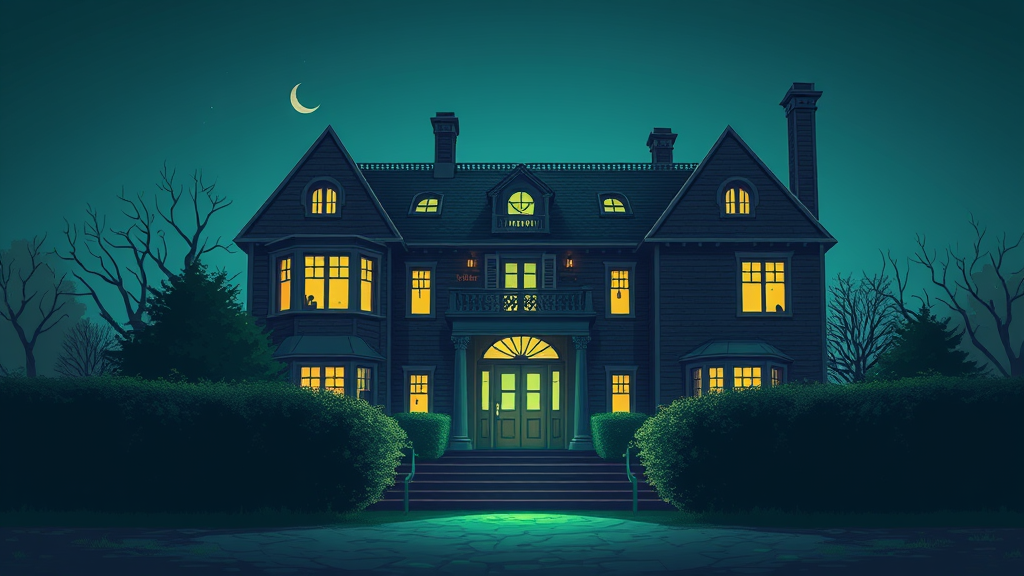
2. It goes back to the source. This isn't a loose action riff. Reports around the production emphasized a faithful adaptation of the original game's setup, the Spencer Mansion, the team, the outbreak. If you played the 1996 original or the 2002 GameCube remake, you know that scenario inside and out, and you know no live-action film has actually done it straight. I want to say the closest anyone came was the opening twenty minutes of the 2002 movie before it wandered off into the hive and the laser hallway. Which, fine, the laser hallway rules. But it wasn't Resident Evil.
3. Austin Abrams leads a cast taking it seriously. Abrams has been building toward a lead role like this for years, all twitchy intelligence and barely-contained panic. Horror lives or dies on whether you believe the people in it are actually scared, and early word says the performances here are grounded rather than camp. Camp has its place in this franchise, Lord knows, but the games earned their camp by putting it on top of genuine dread first.
4. The atmosphere over action ratio. Every adaptation that leaned action, and I'm looking hard at the later Jovovich sequels, lost what made the games work. Survival horror means scarcity, means counting bullets, means a save room melody telling you it's safe to breathe for ninety seconds. Early reactions suggest Cregger kept that tension-forward pacing. The original game ran on a soundtrack of footstep creaks and distant moans. If the film honors that instinct, it's already ahead of most of its predecessors.
5. Timing. It's a horror release landing square in the September-to-October corridor, which is exactly when this material plays best. There's a version of this conversation where Resident Evil and Halloween: The Game, which I covered last week, end up the twin pillars of a very strong horror season. The appetite is clearly there.
My honest-to-goodness take: video game movies spent twenty years as a punchline, and the last several years have quietly dismantled that reputation one good adaptation at a time. Cregger's Resident Evil arriving with actual intent behind the camera, rather than a committee checklist, is the latest proof. Go see it in a theater with a crowd. Horror in a packed room is a different game entirely, and this one deserves the multiplayer treatment.
Comments (0)
Log in or sign up to join the conversation.
No comments yet. Be the first.