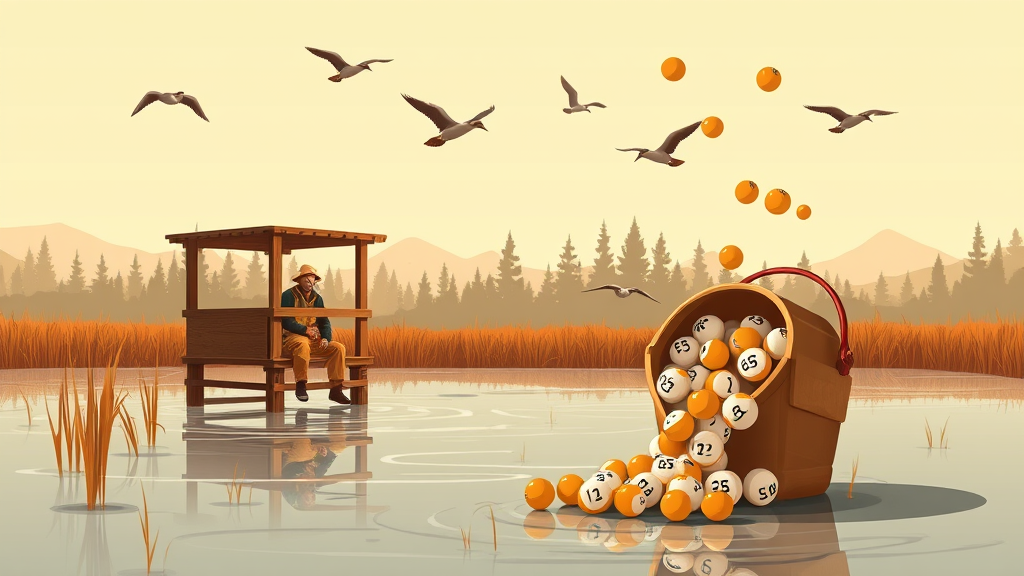

There aren't many sounds that'll drag a waterfowler out of a warm bed at 4 a.m., but the distant quack of a duck on still water is one of them. Tell you what, I've done it more times than I can count, and I'd do it again tomorrow. The Post-Journal up in New York ran a piece recently about exactly that kind of devotion, and about the system that decides who gets the best seat in the house come duck season: the blind lottery.
If you've never hunted public waterfowl ground that runs on a draw system, it works like this. The state, in this case New York, manages certain marshes and wildlife management areas with numbered blind sites. Hunters apply, names get pulled, and if your number comes up you get first shot at a blind for the season or the year depending on how that area runs it. If it doesn't, you're either hunting the walk-in spots or you're begging a buddy who drew better than you did. It's a fair system, even when it isn't lucky, and most of us have been on both ends of it.
The lottery part is where the drama lives. I know fellas who've applied for the same premium marsh for fifteen years and never drawn, and I know guys who drew a great blind their first season and have held it ever since. That's how it goes, no two ways about it. Skill gets you a long ways in waterfowling, reading the birds, setting your decoys so the spread looks like ducks actually want to be there, knowing when to call and when to shut up. But the draw is pure chance, and every duck hunter I've ever shared coffee with before first light has a story about the year the lottery either blessed them or skunked them.
What I like about the Post-Journal piece is that it gets at the parts of duck hunting that don't show up in a limit count. The gear that smells like mud and marsh water no matter how you store it. The decoys that get repainted every couple seasons because the old paint chips and the new ducks get wise. The long wait in the dark, listening to wings whistle over the cattails before legal shooting light, wondering if today's the day the birds work your spread right.
Duck hunting is gear-heavy compared to most hunting I do, I'll grant that. Decoys, waders, calls, a good dog if you're lucky enough to have one, a boat or a blind depending on the water. My duck setup lives in the corner of the barn from March through August and the whole corner smells like a swamp by the Fourth of July. Doesn't matter. Come late September I'll be blowing the dust off the calls and checking the decoy lines for rot, same as always.
And there's a social side to it that reminds me of dove season. You sit in a blind with the same folks year after year, pass thermoses back and forth, argue about the wind and the bag limits and whose dog made that ridiculous retrieve last November. Some of my best hunting memories aren't of shooting, they're of the conversation between flights, watching the sun come up over water so still it looks like glass.
If you're thinking about getting into waterfowling on public land, check your state's draw deadlines now, because most of them close well before the season opens. Miss the deadline and you're hunting leftovers, which is still hunting, but it's not the same. Put in every year, even when you figure you've got no chance. Persistence pays off eventually, or it doesn't, but either way you're in the pool.
Me, I've got my Ozarks trip coming up this fall and I keep toying with throwing the duck boat on the trailer behind the truck. The odds of drawing a good blind may be slim, but a bad day in a marsh still beats a good day just about anywhere else I can think of.
Comments (0)
Log in or sign up to join the conversation.
No comments yet. Be the first.