
I've eaten my way through a lot of Maryland, and I can tell you the state runs on crabs. Steamed, seasoned Old Bay-heavy, dumped onto a picnic table covered in brown paper. It's a whole culture and I love it. So when a restaurant in Maryland keeps landing on critics' lists of the best dining experiences in America and the dish everyone talks about isn't a crab cake, I pay attention.
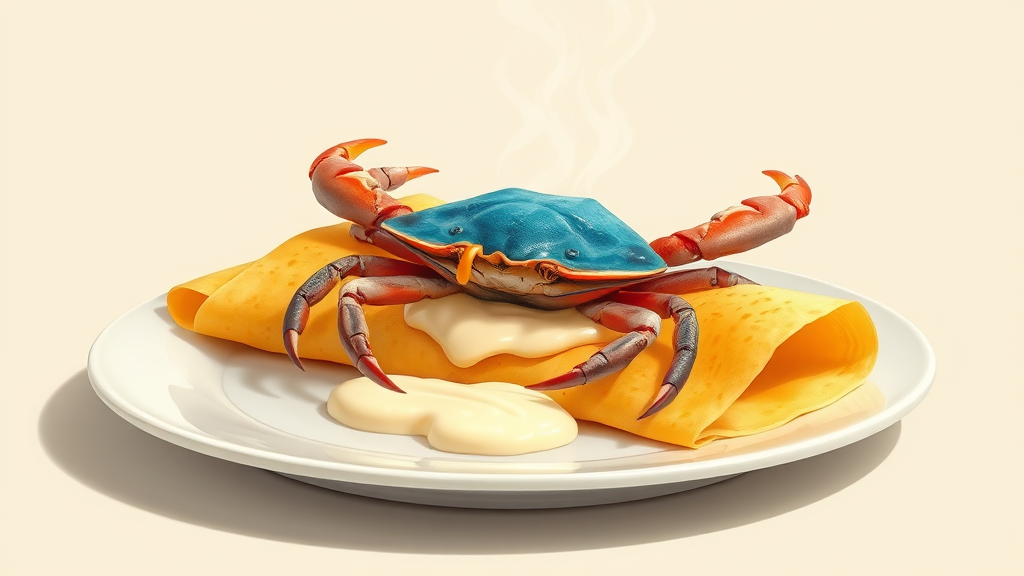
The place is getting attention from Family Destinations Guide, which highlighted it as one of the country's standout dining experiences. And the dish leading the conversation is the Crab Palacinke. If you know Balkan food, you know palacinke as the thin crepe-like pancakes that show up everywhere from Serbia to Croatia, usually rolled around jam or walnuts for dessert. Here, somebody had the idea to fold one around warm farmers cheese, load it with crab, and serve it with pepper jam and an apple salad on the side.
That's the kind of dish I'd cross a state line for. You've got the sweet, mild cheese, the briny sweetness of Maryland crab, and then pepper jam cutting through all of it with a little heat. The apple salad doing cleanup duty, refreshing your palate between bites. It reads like a chef who understands that the best food happens when two traditions actually listen to each other instead of one just decorating the other.
I do have a soft spot for this whole corner of the food world. I wrote about the Balkans becoming Europe's best budget travel region a while back, and one of the reasons is the food: simple, generous, built on farmers cheese and preserved fruit and pastry dough stretched thin enough to read through. Serbian cooking doesn't waste anything and doesn't shout. So a Serbian pancake meeting Chesapeake crab feels less like a gimmick and more like two modest, honest traditions shaking hands.
What makes a dish like this work is restraint. Crab is expensive and delicate, and the easiest thing in the world would be to bury it in a heavy cream sauce or pile it on a brioche bun. Wrapping it in a soft palacinke with farmers cheese lets the crab stay the point. The pepper jam gives you something to chase around the plate. This is the same logic behind why I trust a tiny menu over a sprawling one any day: a kitchen that commits to a handful of dishes it truly understands will beat a kitchen trying to be everything, every time.
Baltimore and the surrounding area are in the middle of a quiet shift, too, a wave of Eastern European and Balkan cooking finding its way onto menus that used to be strictly crab houses and pit beef stands. Immigrant kitchens tend to be the best predictor of where a food scene goes next, the same way I swear the condiment aisle predicts where home cooking goes. Somebody's grandmother makes palacinke, somebody else's family has a crab connection, and eventually those two things end up on the same plate where critics can't stop talking about them.
If you go, do what I'd do. Order the Crab Palacinke first, obviously, but don't make it the whole trip. Ask your server what else on the menu came from the chef's actual background, not the tourist-facing greatest hits. And if you've never had a dessert palacinke, save room, because the sweet versions, rolled with walnut and sugar, are the originals and they're worth the real estate in your stomach.
It also fits my favorite kind of trip: you're not flying anywhere, you're not dropping a fortune, you're eating something in Maryland that would be equally at home in Belgrade. Every place has something, and sometimes that something is a pancake stuffed with crab and farmers cheese that food critics can't stop crowing about.
I'm already plotting a weekend trip. I'll report back on the pepper jam situation personally.
Comments (0)
Log in or sign up to join the conversation.
No comments yet. Be the first.