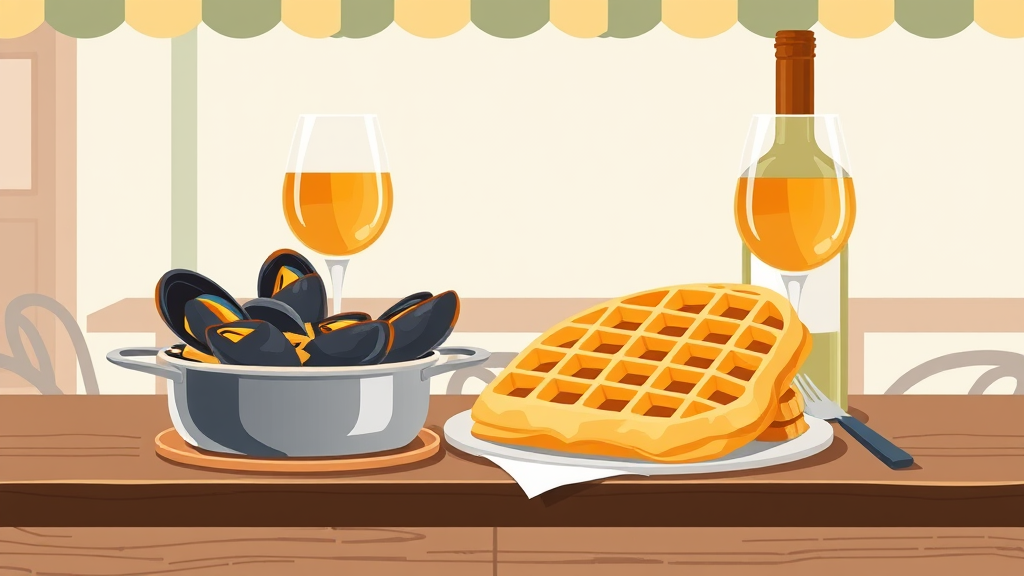

I have a confession: I used to treat Brussels as a layover city. Somewhere between the waffle shops around the Grand Place and a mournful plate of moules-frites, I'd nod politely and move on to Ghent or Antwerp, which felt like the cool kids. That was a mistake. The Brussels Times just published a guide to the city's foods, drinks, coolest cafés and intriguing restaurants right now, and it nudged me to finally say out loud what I've been slowly realizing on recent trips: Brussels isn't chasing trends. In my experience it's just quietly cooking better than it has in decades.
To be clear about what's mine versus theirs: the Times piece is a discovery guide, and I haven't itemized their picks here. What follows is my own read, built from eating my way through the city over the past few springs and autumns. Take it as one traveler's field notes, not gospel.
The biggest shift I've noticed on my own trips is natural wine going from fringe obsession to pretty standard pour. Small cafés that used to stock one cranky bottle of orange stuff now build whole lists around low-intervention producers, a lot of them Belgian or from just over the French border. Pair that with what I'd call the neo-bistro wave, young chefs doing refined food in rooms with maybe twenty seats, and you get a dining scene that punches way above what most tourists expect.
And beer, obviously. This is Belgium. But the shift I've tasted is toward a more curious drinking culture, sour ales and heritage styles getting poured alongside the Trappist classics instead of being buried under them. I drank a lambic last spring in a bar the size of my kitchen, some cellar near Sainte-Catherine, I forget the name but I remember the funk. That's Brussels in a sentence.
The café scene deserves its own mention because this is a city that takes its café sitting seriously. Long tables, laptop-tolerant staff, pastries that aren't an afterthought. I've watched specialty coffee spots multiply across the city and enough of them bake in-house that I've stopped bracing for disappointment. Which sounds small until you've eaten enough dry croissants at beautiful cafés to write a thesis on the subject. Ask me about my Lisbon bakery rankings sometime. Actually don't.
What I appreciate about all of this is that none of it feels imported. Nobody opened a smash burger temple and called it a scene. The cooking still leans Belgian, butter and beer and vegetables treated with respect, just executed, in my read, by a generation that ate abroad and came home with ideas. That's usually how the best food cities evolve. They don't reinvent, they sharpen.
Practical bit, since that's my job, and again this is my own experience rather than sourced reporting: I've had good luck in the shoulder season, late autumn especially, when the restaurants feel fully awake but I could still walk into half of them without a reservation headache. Eat wherever the queue looks local, and order whatever the waiter squints at you for ordering. That's usually the good stuff.
I'm already checking fares for November. Between this and my long-standing promise to properly eat my way through Flanders, Belgium might be elbowing its way up my winter list, and I say that as someone who once called it a layover.
Comments (0)
Log in or sign up to join the conversation.
No comments yet. Be the first.