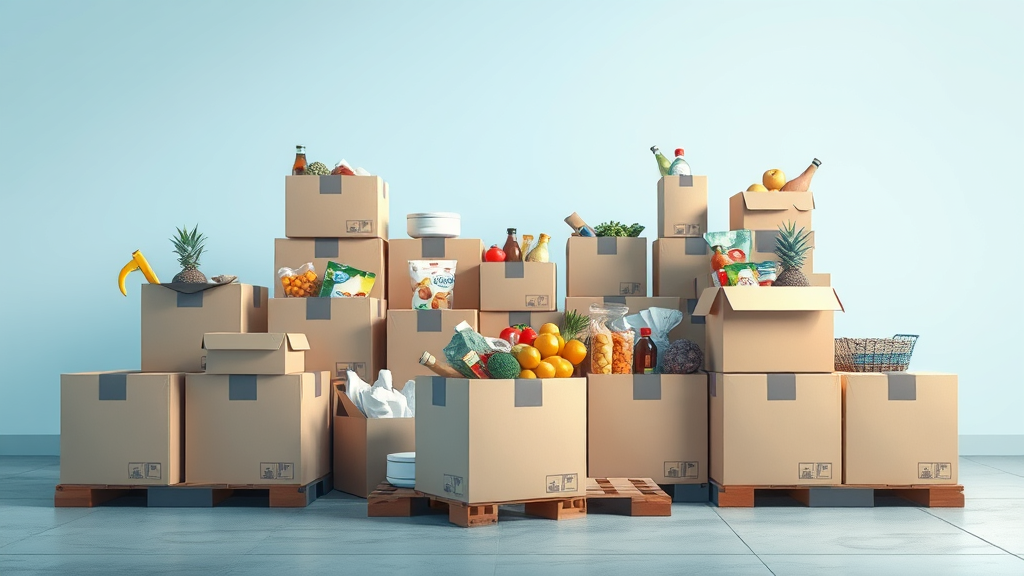

Costco doesn't exactly publish a developer roadmap for its product pipeline the way a tech company would. But the retail supply chain leaves traces, and right now those traces point to a genuinely interesting batch of new arrivals heading to warehouse shelves in the coming months.
According to a report from AOL, the warehouse club is prepping a fresh wave of products across its Kirkland Signature private label and its seasonal rotations. If you've ever tried to reverse-engineer how Costco decides what gets the Kirkland treatment, this is worth paying attention to.
What's genuinely interesting about Kirkland from a systems perspective is how mechanical the process is. Costco takes a category with entrenched brand-name players, identifies where the quality-to-price ratio is being under-served, and then contracts with manufacturers (sometimes those exact same brand-name companies) to produce a version that undercuts the flagship by 20 to 30 percent while matching or exceeding quality. It's basically what good API design does. You find the friction, you remove it, and you make the interface cheaper to use.
The new Kirkland items reportedly span several categories, from food and beverage to household goods. Specific product details are still surfacing, but the pattern Costco follows is pretty consistent. They tend to expand Kirkland into categories where private-label penetration is still low relative to the overall market. They're targeting whitespace. Seasonal releases follow a different logic, tied more to Costco's famous treasure-hunt merchandising strategy where limited-time availability creates urgency.
I think about this differently than most people probably do. When I see a new Kirkland product hit the floor, I don't just see a cheaper version of something. I see a signal. Costco runs on a membership model, which means every product decision is effectively a retention strategy. If members feel like they're getting access to things they can't get elsewhere, at prices that feel almost unfair to the competition, they renew. Year after year. The product pipeline is the churn prevention system.
The seasonal drops serve a related purpose. They break the routine. You go in for paper towels and rotisserie chicken, and suddenly there's a limited-run holiday item or a seasonal food you weren't expecting. That unpredictability drives foot traffic in a way that algorithmic online recommendations never quite replicate. Physically encountering a product you didn't know existed just hits different than a targeted ad.
From what's been confirmed so far, the upcoming slate includes expanded Kirkland offerings in grocery categories alongside the usual seasonal rotations tied to fall and winter. Full product details and availability dates are still rolling out, and Costco typically stages its releases regionally before going wide.
As someone who spends most of his day thinking about systems architecture, I can't help but respect what Costco has built here. The warehouse is the platform. Kirkland is the first-party app. The seasonal drops are the limited-time events that keep users engaged. The membership fee is the subscription tier.
It just happens to sell 4-pound bags of macadamia nuts instead of cloud storage.
Comments (0)
Log in or sign up to join the conversation.
No comments yet. Be the first.