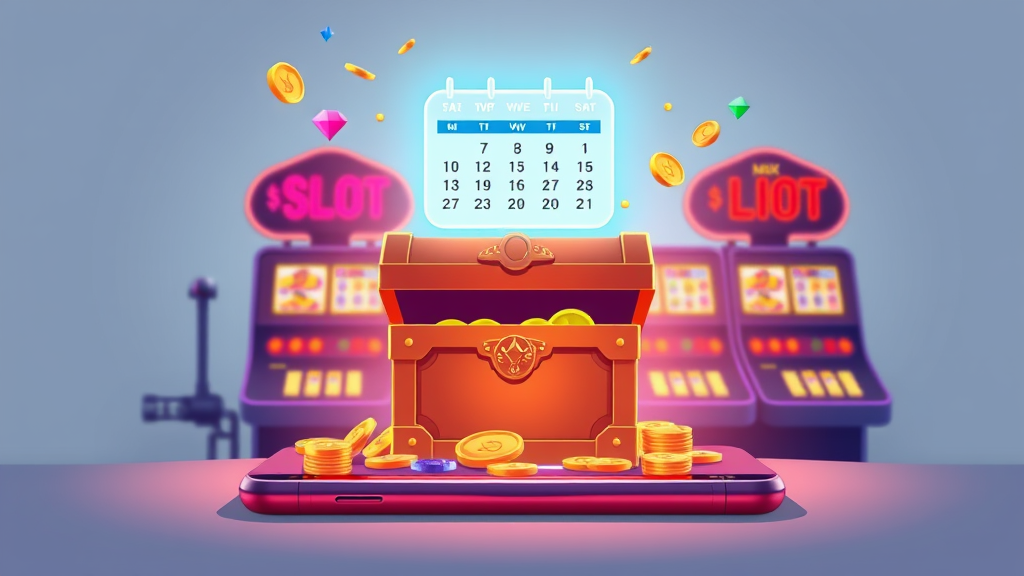

If you've played basically any game with an internet connection in the last decade, you already know the ritual. You boot up, a little notification pings, and you collect your daily reward. Day seven is always the good one. The developers dangle it just far enough that skipping a day feels like leaving money on the table.
A sponsored feature over at the Daily Princetonian traces how that mechanic jumped from live-service games into a space a lot of gamers never look at: online social casinos. These are platforms that copy the look and feel of slots and card games but use virtual currency, no real money changing hands. Same dopamine loop, different storefront.
The lineage here is easy to map if you've been playing as long as I have. MMOs built the foundation. Final Fantasy XI had its Conquest Points and daily grind structures back in 2002, and I remember logging in after work just to keep my signet streak alive, whatever else I did that night. The reward wasn't even good. Didn't matter. The streak was the reward. World of Warcraft took that psychology and refined it, and then mobile games weaponized it completely. Now every live-service game from Fortnite to your average gacha lives and dies by the retention curve, and daily rewards are the cheapest retention tool ever invented. Cheaper than content, anyway.
The Princetonian piece argues social casinos borrowed the whole playbook. Virtual coins instead of dollars, daily bonuses instead of login streaks, leaderboards, spinning wheels, the works. The games are free to play, the currency is worthless outside the app, and the design goal is the same one MMO designers figured out twenty years ago: make the player feel like today's session matters, even when it objectively doesn't move anything forward.
I have mixed feelings, which won't surprise anyone who's read me griping about engagement-driven design before. Retention mechanics aren't inherently evil. A daily reward that gets you to boot up a game you already love is a nudge, not a leash. Super Mario World didn't need a login streak because it had 96 exits and pure momentum, and the games I still think about decades later earned their place with design, not calendars. But when the daily reward IS the game, when there's nothing underneath the loop, you're not really playing anymore. You're checking a box. Game designers call this the difference between intrinsic and extrinsic motivation, and the best games of the last forty years always leaned on the intrinsic stuff first.
The social casino angle interests me because it strips away all pretense. No narrative, no world, no ludonarrative harmony to point at. Just the loop, naked, and it works well enough to sustain an entire business category. The mechanics MMOs worked out in the early 2000s got genuinely powerful once they escaped into the broader app ecosystem.
Worth a read if you're curious where the psychology of game design ends up when it's applied to nothing but itself. As for me, I'll keep doing my daily logins in games I actually enjoy, and I'll keep feeling slightly ambivalent about it, which I suspect is the honest state of every veteran player in 2026.
Comments (0)
Log in or sign up to join the conversation.
No comments yet. Be the first.