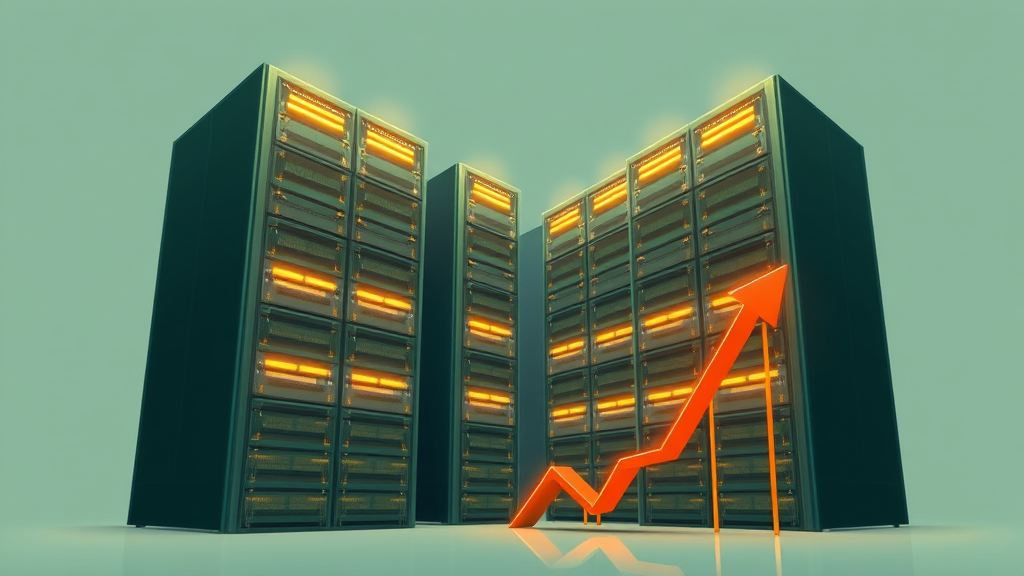

Dell just reported the largest AI order quarter in enterprise hardware history, $60.9 billion in bookings, and the stock went down anyway. If that combination sounds strange, it shouldn't. I've watched this movie enough times to know how it ends, or at least how the first act goes. The full story over at 24/7 Wall St. lays out the numbers, and the numbers are worth a look.
So why the shrug from shareholders? A few reasons, and they're worth understanding even if you don't own a single share.
First, an order is a promise, not a payment. Sixty-one billion dollars of bookings tells you customers lined up at the door, but it says nothing yet about margins. AI servers are notoriously thin-margin business, because the expensive parts, the GPUs, belong to Nvidia and Dell is largely assembling, integrating, and shipping. Revenue can climb a wall while profit per dollar of revenue stays flat or shrinks. When a company books record orders and the profit line doesn't move proportionally, the market notices.
Second, there's the arithmetic of expectations. To put it in plain English instead of jargon, the stock had already priced in a good quarter, and probably a great one. When you trade at a valuation that assumes everything goes right, delivering something merely very good reads as a disappointment. I saw this pattern in the late '90s with the networking equipment makers. Order books were spectacular right up until they weren't, and the stocks topped out well before the revenue did.
Third, and this is the one I'd sit with, is the question of who's buying all this gear. A big chunk of AI infrastructure spending right now comes from a relatively small number of hyperscalers and, increasingly, from financing arrangements that resemble vendor-supported lending. When your order book leans on a handful of customers with deep pockets and big moods, one delayed project can swing a quarter. Concentration cuts both ways.
None of this means Dell is a bad company or that the quarter was bad. It wasn't. Dell has been around since I was buying my first index funds, and it has reinvented itself more than once, from PC maker to storage to infrastructure. A record order book is real demand from real customers signing real contracts.
But demand and durable profit are different animals, and the market's job is to figure out the gap between them. Tuesday's trading said the gap is wider than the headline suggests.
If you own Dell through a broad index fund, as most of you probably do, you did nothing wrong today and should do nothing differently tomorrow. If you own it as a single-stock bet, this is a good week to ask yourself what you actually own: a piece of the AI build-out, yes, but a piece where the economics depend on margins nobody outside the company can verify yet. Watch the gross margin line in the next few quarterly reports. That, not the order total, is where the story gets told.
The usual reminder: I'm a guy who's been investing for forty years, not a financial advisor. This is perspective, not advice.
Comments (0)
Log in or sign up to join the conversation.
No comments yet. Be the first.