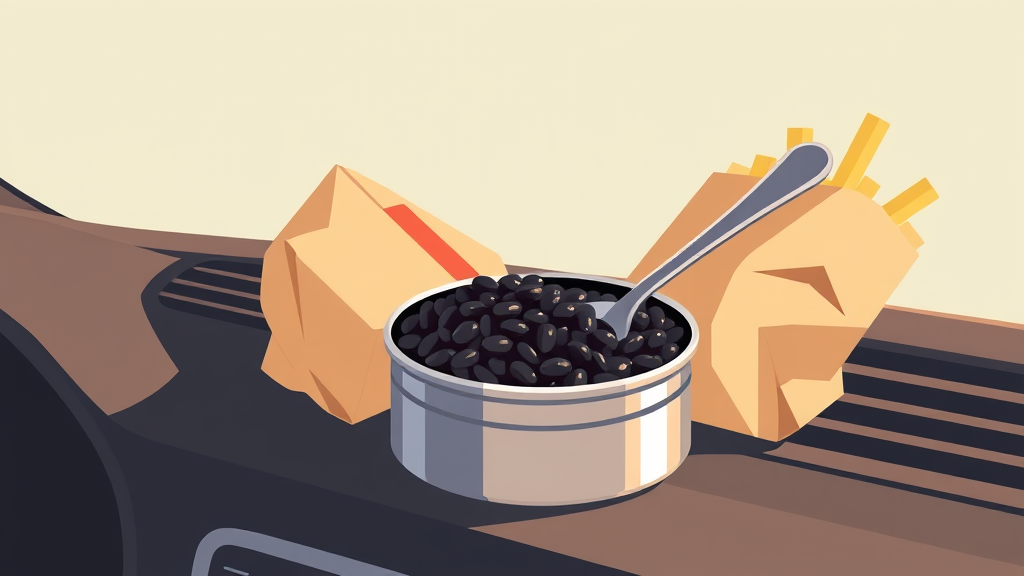

I have a confession. The first time I bought caviar, it was from a gas station-adjacent shop in rural Georgia, it cost about as much as a sandwich, and I ate it in the car with a plastic spoon. Was it transcendent? No. Was it still tiny salty fish eggs on a Tuesday afternoon in my rental car? Absolutely. And apparently I was ahead of a trend, because discount caviar is now everywhere, and the whole luxury food category is having a bit of a crisis about it.
So what happened, in plain terms. Farmed sturgeon production, especially from places like China, has ballooned over the past decade, and the old scarcity that justified the old price tag has quietly eroded. You can now find tins of caviar at warehouse clubs, online retailers running flash sales, even dotted into snack pairings and tasting flights at prices that would've made a maître d' in 1995 faint. The MSN piece walks through how retailers are basically sprinting to make caviar a normal-ish purchase, the way prosciutto and good olive oil went from fancy to grocery aisle over the past couple decades.
I get why the traditionalists are nervous. Caviar spent a century being a signal. It was the thing you ordered to mark an occasion, served by someone in gloves with a mother-of-pearl spoon, because a metal spoon supposedly ruins the flavor (mostly myth, for the record, though a reactive cheap spoon can add a faint metallic edge, so just use plastic or shell and relax). If a tin costs the same as a decent bottle of wine, the signal gets fuzzy. Is it still luxury if it's next to the checkout?
But I'd push back on the doom. My rule has always been that I trust a line of regulars over any curated list, and the same logic applies here: I trust food that people actually eat over food that exists to be photographed. Cheap-ish caviar getting into normal people's mouths is how an ingredient stops being intimidating and starts being understood. It happened with sriracha, with gochujang slowly creeping into mainstream recipes, with anchovies graduating from pizza joke to pantry staple. Expensive caviar isn't going anywhere. It'll just have to compete on flavor instead of on price alone, which, radical concept, is how food is supposed to work.
There is a real quality spread, though, and this is where I'll be practical for a second, because I've wasted money on both ends. Look for the species and the origin on the tin: reputable producers will tell you it's, say, Siberian or Osetra sturgeon and where it was farmed. Malossol on the label means lightly salted, which is what you want. Avoid mystery tins with no provenance at all and suspiciously romantic fonts. Freshness matters more than price tier, so buy from somewhere with turnover rather than a tin that's been sitting under heat lamps next to the register. And if you're new to this, skip the blini ceremony the first time. Put a little on a potato chip or a warm buttered cracker and see if you even like it before investing in the whole production.
The other thing worth saying: cheap caviar is genuinely fun. Some of my favorite travel meals have been the "wrong" version of a fancy thing, eaten in the wrong place at the wrong time, and they hold up better in memory than plenty of tasting menus I've dressed up for. A tin on a picnic blanket with a friend who's never tried it beats a ceremonial dollop in a hushed dining room where everyone's afraid to speak.
So yes, caviar is having an identity crisis. I say let it. Every place, and every ingredient, has something, and sometimes that something turns out to be affordable after all. If you've been curious, this is your moment. Start with the potato chip. Thank me later.
Comments (0)
Log in or sign up to join the conversation.
No comments yet. Be the first.