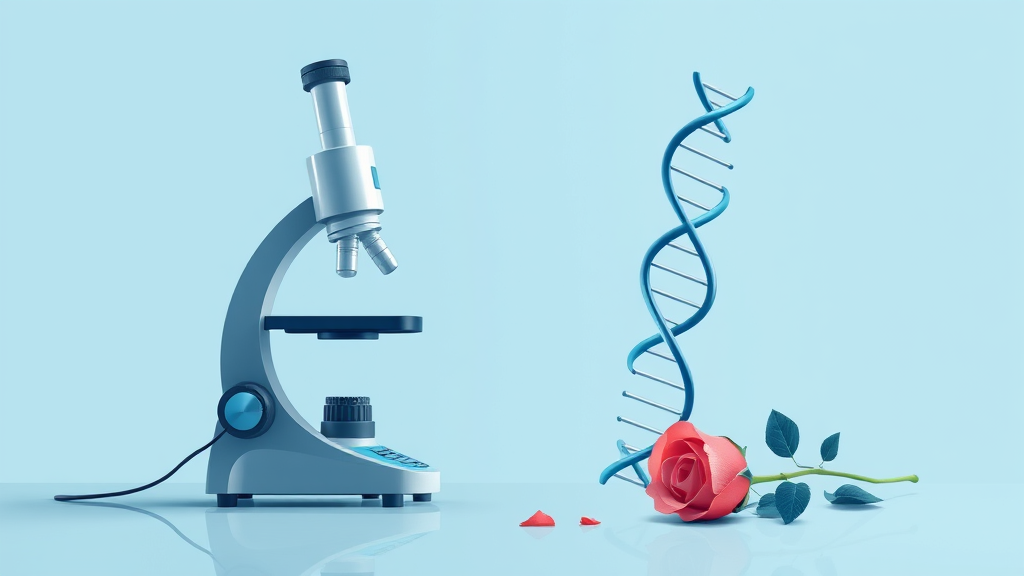

Some technology stories make you want to call your whole family. This is one of them. The New York Times reported this weekend that forensic scientists at the New York City medical examiner's office have identified another victim of the September 11 attacks, using a method that reads like something out of a crime drama, except it's real. And this is the first time it has ever worked on a 9/11 case, which is why the Times is calling it a breakthrough.
The office partnered with a squad of local detectives skilled in genetic genealogy, a technique best known for cracking the Golden State Killer case back in 2018. If you're not familiar with it, the short version is this: analysts take degraded or partial DNA, upload the profile to a genealogy database, and then work backward through family trees until they land on who the sample must belong to. It's painstaking, patient work. The kind of work that used to be impossible, and until now, it had never produced a name from the World Trade Center remains.
I've been writing about consumer tech long enough to remember when DNA kits were a novelty gift. My granddaughter Jess bought me one for my birthday years ago, mostly so she could tease me about where the family actually came from. Back then, the idea that those same hobbyist databases could help name someone who died at the World Trade Center would have sounded like science fiction. The consumer side and the forensic side found each other, and now a family is getting an answer a quarter of a century later because of it.
Twenty-five years. Just sit with that for a second. The medical examiner's office has been testing fragments, over and over, as the technology improved. Each generation of DNA sequencing has coaxed a little more information out of samples that were burned, crushed, and degraded almost beyond use. When a new method arrives, they go back to the freezer and try again. Marcus Pitts could explain the actual sequencing chemistry far better than I can, and I'd point you to his deep-dives on the technique, but the human part is what gets me: scientists who refused to say "we've done all we can."
Victims of the attacks remain unidentified to this day, and every name that comes off that list means a family gets to stop wondering, or at least stop wondering in a particular, awful way. I won't quote you a tally here, because the numbers floating around vary depending on who's counting and how, and this family's moment deserves better than a fuzzy statistic. What matters is simpler: someone who had no name attached to their remains for 25 years has one now.
I've said before on this site that technology should work for you, solving real problems instead of performing for its own sake. This is that principle doing the most important work I can imagine. A hobbyist genealogy database, some determined detectives, and a lab that kept going, all lined up to return a name to a family. No app, no subscription, no software update notification required.
If you'd like the details of the identification itself, the Times piece is worth your time, and I'd rather send you there than paraphrase a family's private moment. As for me, I'll be thinking about all those samples still waiting in storage, and the scientists who will go back to them now that this method has proven it can work. Because if it worked once, it can work again. And somebody, somewhere, is waiting for a phone call that finally comes.
Comments (0)
Log in or sign up to join the conversation.
No comments yet. Be the first.