
Somebody asked me recently when humans first started eating at restaurants, and I realized I had been standing in kitchens for forty years without ever asking the question myself. We assume the restaurant is a French invention, some Parisian moment involving a waiter with an attitude. That's part of the story, the part France worked hardest to take credit for. But it is not the beginning.
A piece in BusinessDay traces the habit back much further, through places my grandmother would have approved of. The article points to ancient civilizations where ready-to-eat food was sold to people on the move, the same ancient impulse as walking up to a counter and buying something warm, and that impulse never went away.
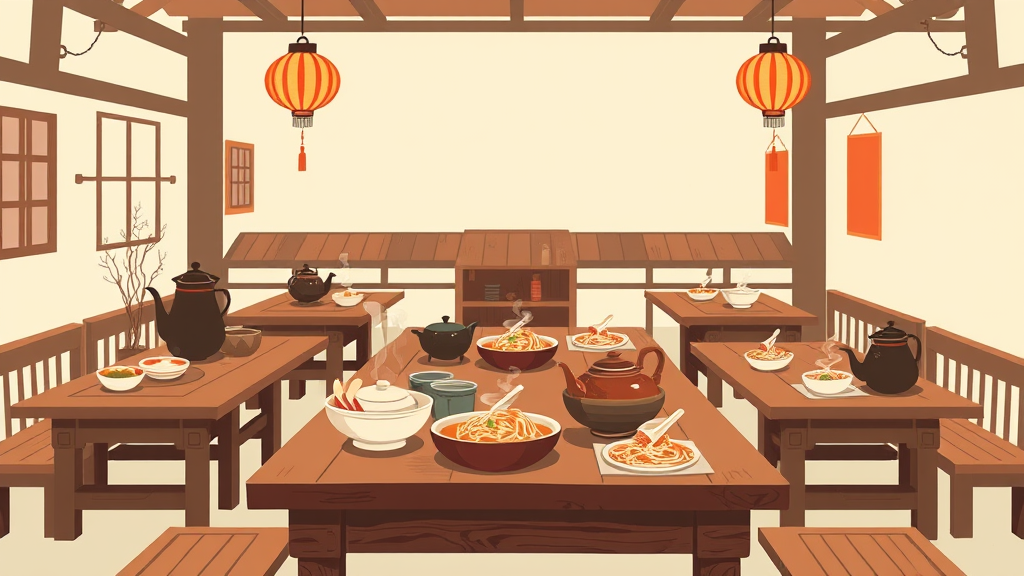
Then you find the old claim, the one that matters. According to the BusinessDay piece, the first true restaurants appeared in Song dynasty China, roughly six hundred years before France got around to it. That is where eating out as we understand it begins: a place you go, sit down, and choose a cooked meal for money. The French came later and refined the format, which I say with affection, since I cooked in Rome next to French chefs for two years and we had this argument weekly, and they always lost with style.
What the French did, and did beautifully, was take that format and refine it and popularize it, turning eating out into an occasion rather than a necessity. The restaurant turned eating into choice. That changed everything, and I believe convenience always changes everything, whether it's a new flight route or a menu you can read at your leisure.
And then came America, which took the idea and made it loud and democratic. The diner, the drive-in, the delis I wrote about a few weeks back, the food hall, the ghost kitchen. Every format is really the same ancient impulse wearing new clothes: give a stranger something warm and a place to sit.
What strikes me is how little the core transaction has moved in a thousand years or more. Somewhere in Song dynasty China, somebody sold a cooked meal to somebody who didn't want to cook. The taqueria on my corner ladles salsa for neighbors who just got off work. The technology changed. The care didn't, or shouldn't.
I keep thinking about my grandmother, who cooked for anyone who walked through her door and would have found the concept of paying for dinner slightly insulting. She fed people because that's what you do. The restaurant, at its best, is just that instinct scaled up, a stranger's kitchen with a door open to the street. Everything else, the stars, the apps, the tasting menus, is decoration on a very old pot of stew.
Comments (0)
Log in or sign up to join the conversation.
No comments yet. Be the first.