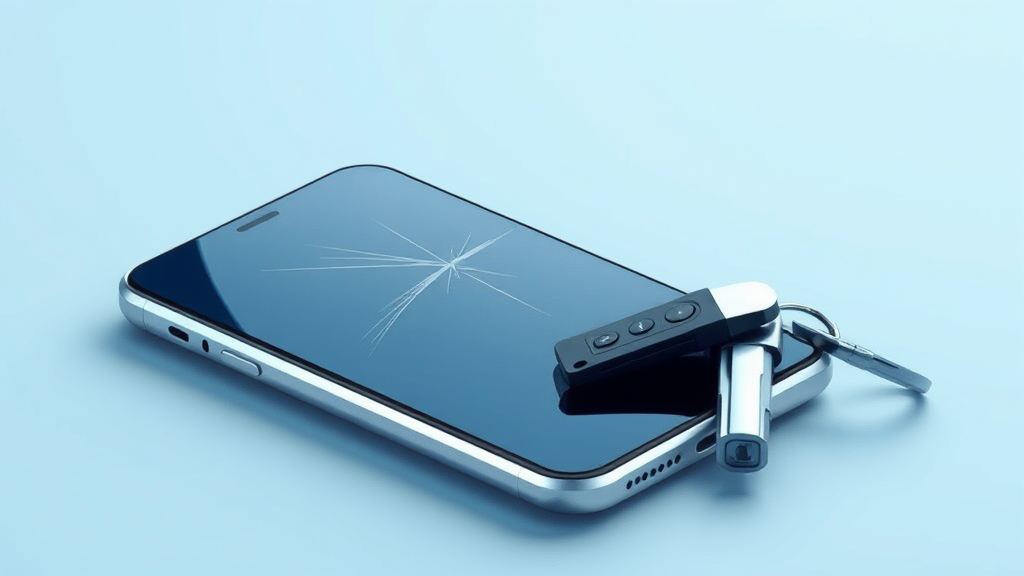

Well, this one made me put my coffee down. A new leak suggests the Samsung Galaxy S27 Ultra may ship with what's being called self-healing display glass, developed alongside Corning, that can actually recover from minor scratches on its own. According to the report over at Geeky-Gadgets, the idea is that small surface scratches, the kind you get from keys sharing a pocket with your phone, would fade away rather than staying forever.
Let me tell you, I have some feelings about scratched screens. I still remember my very first Palm Pilot, back when a stylus scratch across the display was just something you lived with, like a scar you told stories about. Then came the tempered glass era and we all became people who applied screen protectors in bathrooms because the steam supposedly reduced dust. Did it work? Marginally. Did we keep doing it? Absolutely.
Now, the report doesn't get into how the healing actually happens, so take this next part as general background on self-healing materials rather than anything the leak claims. Typically, these materials work because a polymer component can flow slightly at room temperature, letting shallow marks fill themselves in over time. It wouldn't do anything for a cracked screen or a deep gouge, and anyone telling you otherwise is selling something. This is about hairline scratches, the cosmetic ones that catch the light and drive you a little nuts.
If the name Corning sounds familiar, it should. They've been making Gorilla Glass since roughly 2007, and nearly every flagship phone you've ever loved has had a version of it inside. Samsung partnering with them on something this experimental isn't a surprise. What would be a surprise, a pleasant one, is if it actually survived contact with real life, where phones get dropped on gravel and shoved into purses containing, in my granddaughter Jess's case, at minimum four hair clips and a set of keys.
The usual caveats apply, and you know I always give you the caveats. This is a leak, not a Samsung announcement. Nobody has confirmed a launch date, though if I put on my guessing hat, Samsung's own release pattern would suggest we're a good while away from an actual unveiling, and leaks this far out have a way of describing best-case lab results rather than shipping products. I've watched "self-healing" materials show up in phone coatings and automotive paint over the years, and the real-world versions have always been more modest than the press releases. If Marcus Pitts writes one of his deep-dives on how any of this actually works, I'll link you to it, because he explains this stuff better than I ever could.
But let's assume for a moment it's real and it ships. The practical effect would be a phone that looks newer for longer, which matters more than people admit when it comes time to trade in or hand a phone down to a family member. My whole philosophy about technology is that it should work for you, solving actual problems instead of creating new ones. Minor scratches are an actual problem, a small one, but a genuine daily annoyance, and a display that quietly handles them itself is exactly the kind of invisible improvement I can get behind. Better than a flashy feature you use once and forget.
The question I'd pose to Samsung, if they were sitting in my kitchen: does the self-healing layer affect the feel of the glass? One of the reasons phones feel so lovely these days is that hard, slick surface, and a softer polymer-rich layer could trade durability for texture in a way nobody wants. We'll see.
I'll be watching this one as the S27 Ultra rumors solidify over the coming months, and I promise a proper verdict only after it's in real hands. Preferably mine, scratching away like a proper skeptic.
Comments (0)
Log in or sign up to join the conversation.
No comments yet. Be the first.