
Seventeen years ago Gerard Butler starred in a movie called Gamer, and it made an argument most video game movies still haven't absorbed: you don't need a license to get games. ComicBook.com has a retrospective up on the 2009 thriller, and it's worth your time, because Gamer is a weird little footnote that called a lot of where we actually went.
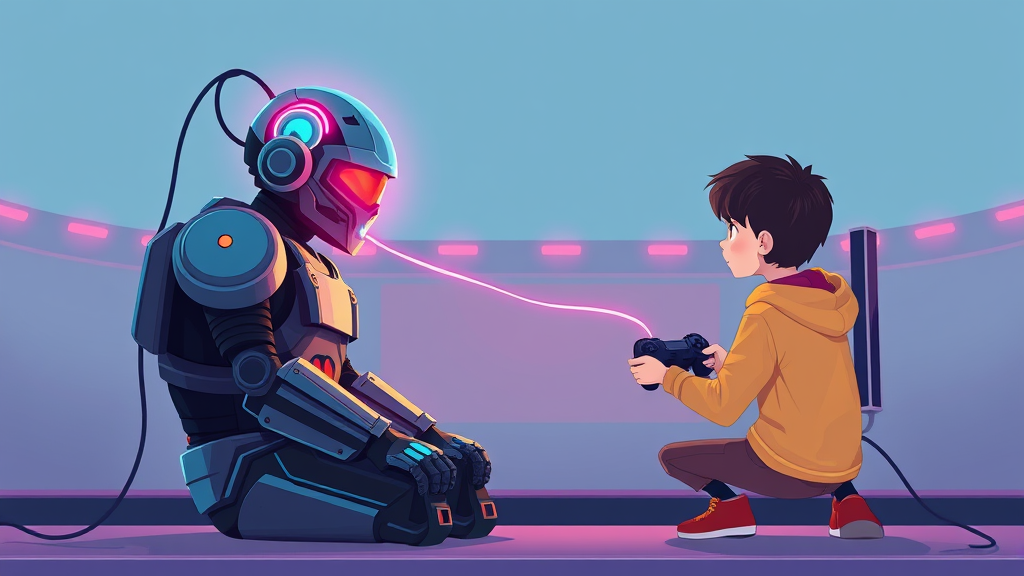
The premise, if you've never seen it: Butler plays Kable, a death-row inmate forced to fight in a televised bloodsport called Slayers. The twist is that he's being controlled by a teenager through what amounts to a brain-link. He's the avatar. Simon, the kid with the controller, is the player. It's a third-person shooter where the protagonist is a person, and the whole engine of the movie is what happens when the avatar starts talking back to the hand on the stick.
Written and directed by Neveldine/Taylor, the same lunatics behind the Crank movies, it plays like a live-action 2009 YouTube video, all whip-pans and saturated grime and needle drops. Critics were largely dismissive at the time, and reception landed somewhere in the mixed-to-average range. I saw it in theaters and thought it was ugly, loud, and sharper than anyone gave it credit for. Michael C. Hall's villain, an entertainment mogul who literally puppeteers human beings through a Sims-style life sim called Society, is a parody of engagement-driven design that hits harder now than it did then. Daily login rewards, remember, went from MMO gimmick to the whole business model. The movie was making fun of that before it fully existed.
What makes it interesting from a gaming-history angle is the licensing question. Ever since 1993's Super Mario Bros. torched everyone's trust, the conventional wisdom has been that video game movies fail because the source material is thin, or the adaptations are unfaithful, or the studios don't respect the games. Take your pick. Gamer skipped all of that by not adapting anything. It took the grammar of games, the player-avatar relationship, the spectator sport of watching someone else play, and built a thriller out of it. There was no canon to botch and no fanbase to anger, just the ideas.
And the ideas were older than the movie, which is the part I appreciate most. Player-controlled bodies go back at least to The Running Man in print and film, but the direct game lineage runs through titles that played with who's really in control. I want to say Metal Gear Solid 2 planted the definitive version of this in 2001, with Raiden forced to question how much of his mission was ever his choice, and Psycho Mantis reading your memory card in the original Metal Gear Solid just to prove the fourth wall was load-bearing. Games had been interrogating the player-avatar relationship for years before Gamer put Butler's body on the line for it.
The movie also nailed the streaming angle early. Slayers is basically Twitch with bullets, convict-cam entertainers with sponsors and screaming audiences. In 2009 that read as dystopian exaggeration. In 2026 it reads like a documentary someone accidentally shot seventeen years early. If you've spent any time watching raid streams, the audience-participation layer looks awfully familiar, like the crowd watching Kable fight and calling it content.
Is it a great film? No. The editing is seizure-adjacent, the politics are blunt, and the less said about Society's grotesque indulgences the better. But it's a genuinely game-literate movie made by people who clearly understood the medium's power dynamics, and it did that without a single licensed property attached. The lesson the industry took from the post-Warcraft, post-Sonic era was that faithful adaptations win, which is true enough. Gamer proved the other path exists: skip the IP, steal the ideas, and make the game-movie no publisher would ever greenlight.
If you've never watched it with that lens, hunt it down wherever it's playing these days. Watch it back to back with eXistenZ or the original Tron and you've got yourself a little film festival about bodies that don't belong to the person inside them. Bring a controller you don't mind losing.
Comments (0)
Log in or sign up to join the conversation.
No comments yet. Be the first.