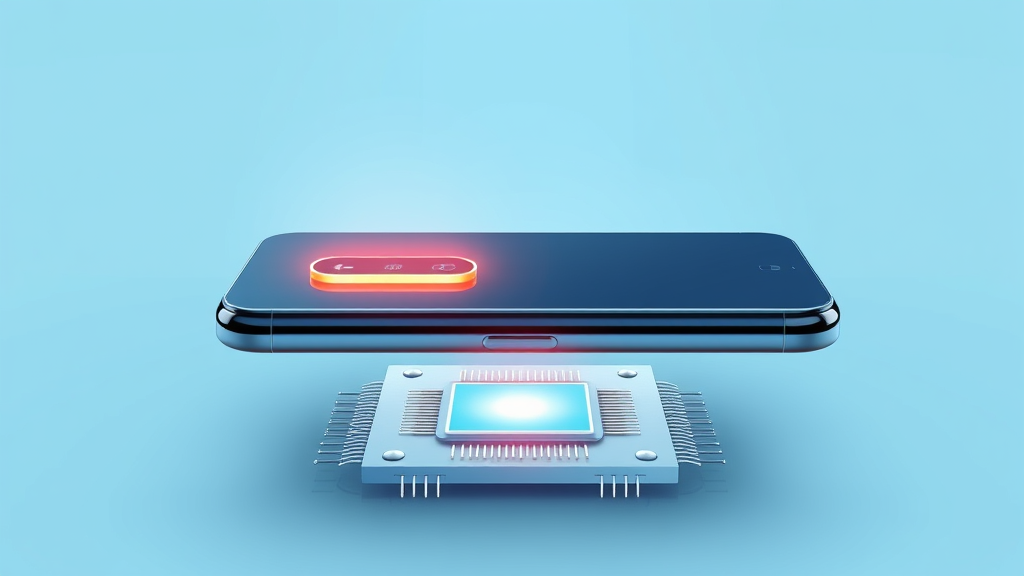

Google's Made By Google event is coming up on August 12, and the leak cycle has been working overtime. We've already seen the official teaser from Google themselves showing off what they're calling HiLight, which is either a camera feature, an AI feature, or both wrapped into one marketing-friendly package. Knowing Google, probably both.
I've been tracking the Pixel 11 Pro XL leaks for a while now, and the real story here isn't the industrial design. It's the Tensor G6 chip sitting inside. The leaks point to it being built on a 2nm process, which is a serious generational leap. That's the component that determines whether Google can finally deliver a phone that doesn't throttle under pressure. As a developer who watches silicon trends closely, I don't think Google needs to win raw benchmarks with Qualcomm. They need a chip that optimizes for efficiency, camera processing, and thermal management all at once, without turning the phone into a hand warmer during a video call. The leaks don't confirm that, but it's the lens I'll be watching through.
The leaks so far point to camera improvements, though how much of that is hardware versus computational is still unclear. The HiLight tease seems to center around low-light video capture, which has been a weak spot for Pixel phones despite their dominance in still photography. If you've ever tried to record a concert or a dinner scene with a Pixel, you know exactly what I'm talking about. The still photos look incredible but the video falls apart the moment the lighting gets tricky.
Then there's the on-device AI question. Running large language models locally on a phone is a genuinely hard engineering problem. You're constrained by memory bandwidth, thermal envelopes, and battery drain that can chew through a full charge in a couple hours of heavy inference work. My guess is that Google will want the Tensor G6 to handle on-device Gemini AI workloads without those compromises, but the leaks haven't confirmed the specific connection. The tension between LLM intelligence and processing latency will make or break this device, and August 12 will be the first real proof of whether Google's silicon team actually pulled it off.
What I'm most curious about is whether Google addresses the modem situation. It's the kind of thing that doesn't show up in a spec sheet or a benchmark but becomes painfully obvious when you're commuting and your phone drops signal for no apparent reason. Reminds me of a debug session I had last week where everything looked correct on paper but the system kept silently failing because of one unhandled edge case in a network layer. No leaks have specifically addressed connectivity improvements yet, but it's the first thing I'll be looking for.
The official HiLight teaser from Google suggests they're going to lean hard into computational photography as the main selling point. That seems like a smart play. Apple has ecosystem lock-in and Samsung has the hardware flex with foldables. Google's strongest argument has generally been the software and AI layer that makes the camera punch above its weight.
August 12 is the date to circle. I'll be watching the keynote with the same energy I bring to a major architecture migration at work, which is to say cautiously optimistic and ready to check the logs the moment something looks off.
Comments (0)
Log in or sign up to join the conversation.
No comments yet. Be the first.