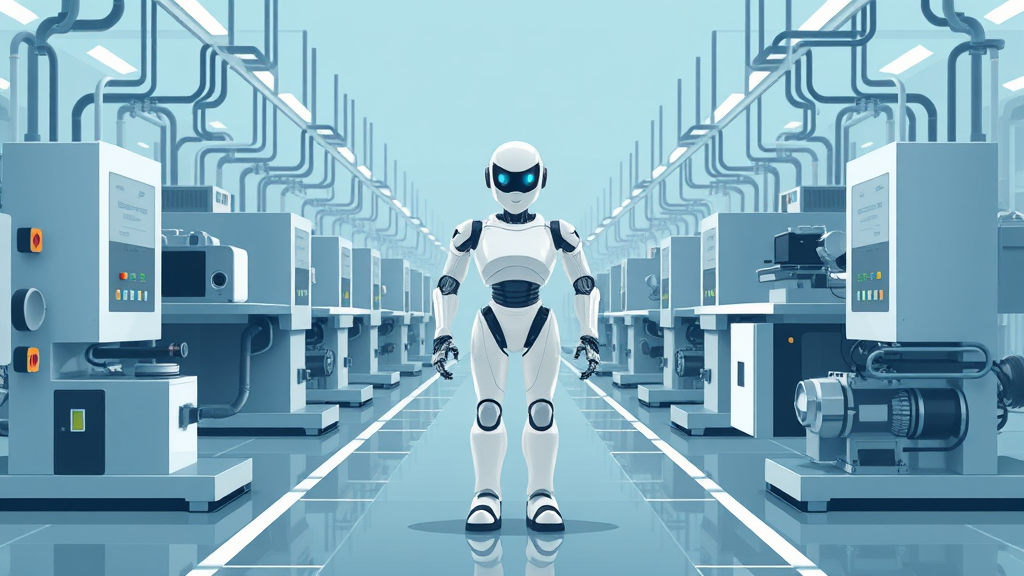

Boston Dynamics is back in the spotlight. Hyundai, which acquired the robotics company back in 2021 according to prior reporting, pulled the curtain off its next-generation humanoid robots at a recent industry event, and the reveal gives us our clearest look yet at where the Atlas program is heading under its new owners.
If you've followed Boston Dynamics for any length of time you know the general trajectory, and the specifics here come from years of prior coverage rather than this week's event. The old hydraulic Atlas that did backflips was a research marvel, loud and powerful and built like a small fridge standing on two legs. Then, per reporting from 2024, the company introduced an all-electric version of Atlas that looked like something out of an Apple keynote. This next-gen reveal continues that arc, pushing toward robots that could actually work a shift in a factory instead of just starring in YouTube videos.
The hardware isn't the interesting part to me, the context is. Based on what's been reported over the past couple of years, Hyundai hasn't treated Boston Dynamics like a trophy acquisition. The automaker has publicly signaled interest in putting humanoids to work in its own manufacturing operations, which gives the robot something Boston Dynamics never really had before: a customer with real, boring, tangible use cases. And boring is exactly what you want when you're trying to move robotics from demos to deployment.
As a developer, I think about this through the software lens. The hardware gets the applause but the hard part of humanoid robotics is the stack on top of it: perception, manipulation planning, error recovery. A robot that can pick up a part ten thousand times is only useful if it can also handle attempt ten thousand and one, when the part is slightly misaligned or the bin is half empty. That edge-case problem is the same one reshaping everything from self-driving stacks to the AI agents I cover regularly, and it's where most robot deployments live or die.
There's also a manufacturing logic here that's easy to miss. Hyundai builds cars at enormous scale, and if humanoids do get deployed in its own plants, every lesson from that rollout feeds directly back into the product. It's a feedback loop most robotics startups would kill for. Watch a few assembly tasks get automated, collect the failure data, iterate, repeat. If that sounds like continuous integration for metal limbs, well, it basically is.
The competitive backdrop matters too. Figure, Tesla's Optimus, Apptronik, and a wave of Chinese entrants are all racing toward the same goal of a general-purpose labor robot. Boston Dynamics still holds a credibility advantage nobody else can claim, a decades-long track record of robots that physically do what the simulation promised. Whether that translates into commercial success at scale is the open question, and it always has been.
No pricing, no firm deployment dates beyond pilot programs, and the details from the event were thinner than I'd like. But the direction is clear. Humanoids are moving from research demos to shift work, one manufacturing line at a time.
I'll be watching for the first real teardown or independent demo of the new platform, because that's when we find out whether the next-gen Atlas is a worker or still a performer. My money's on worker this time.
Comments (0)
Log in or sign up to join the conversation.
No comments yet. Be the first.