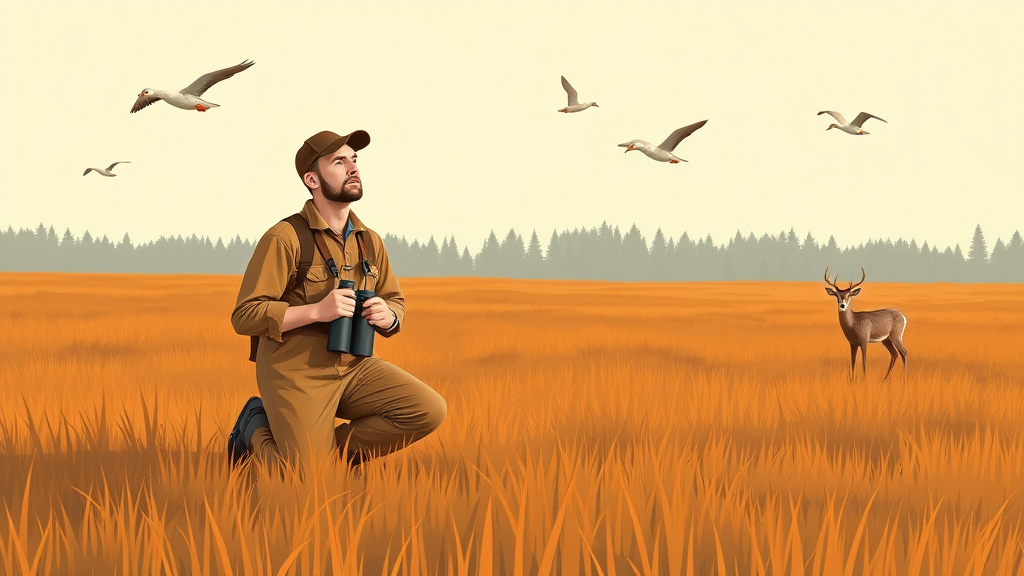
You don't hear enough about the folks who actually make hunting and fishing work in this country. We talk plenty about licenses and tags and seasons, and every once in a while a story comes along about the biologist behind all of it. Outdoor News ran a piece this week on Eric Canania, a wildlife biologist with the Illinois Department of Natural Resources, and I reckon it's worth your time.
The profile paints a picture of a man who's right at home in the job, and that phrase carries more weight than it sounds. Plenty of people wear the title of wildlife biologist and spend half their career behind a desk shuffling grant paperwork. The good ones are out in the field, and the whole thrust of the piece is that Canania fits that mold, a man whose love of conservation and wildlife management shows up in the work itself.
Stories like this one usually follow a pattern I've got a soft spot for. A man loves the outdoors, chases the education he needs, and puts himself in a position to get paid for what he'd do for free anyway. It's an honest path, and it's the same one a lot of game wardens and hatchery techs and habitat crews have walked. You love the woods first, then you learn the science, then you spend a career giving back more than you take. From the sound of the profile, Canania walked it too.
The timing of the piece is fitting as well. Here we are in late August, dove season about to open, archery tags in the truck console, and folks like Canania are part of the machinery that keeps all of it running. We just finished writing about Arkansas grooming public dove fields for opening day, and about a big conservation easement up in Michigan's Upper Peninsula. None of that happens without people making the calls on habitat and harvest. Hunters and anglers fund the bulk of wildlife conservation in America through license sales and excise taxes, the Pittman-Robertson and Dingell-Johnson money, and the people on the ground are the ones who turn that money into living ground.
I've crossed paths with a few state biologists over the years, mostly around deer management questions and pond work back in the Ozarks, and I'll say this: the good ones are gold. They'll tell you straight why the turkey numbers are down in a county or why the crappie fishing picked up on a particular lake, no runaround, because they've got the data and they've got mud on their boots to back it up. From the sound of the Outdoor News profile, Canania is one of those.
And there's a lesson in it for any young hunter or angler wondering what to do with their life. You don't have to leave the outdoors behind to make a living. State fish and wildlife agencies hire biologists, technicians, conservation officers, and hatchery folks every year, and most of those jobs never want for applicants who actually know which end of a fishing pole goes in the water. A kid who can run a trotline and sit still in a deer stand has a head start on half the applicants already.
Go read the full profile when you get a chance. It's a good reminder that behind every decent season there's somebody out there making sure the resource is still there next year. That's just how it works, and I'm glad some of them get their name in the paper for it.
Comments (0)
Log in or sign up to join the conversation.
No comments yet. Be the first.