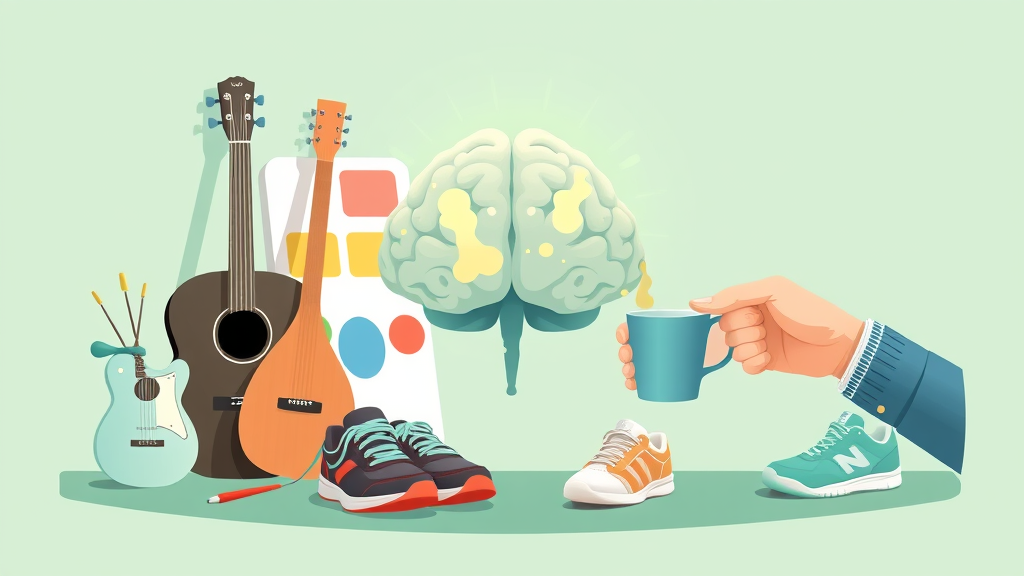

Quick question before we get into this. When's the last time you learned something genuinely new? A language, an instrument, some weird hobby you have zero natural talent for. If the answer is "high school," keep reading.
New research suggests that building up your mind and emotional skills over a lifetime, and keeping that up past 65, helps preserve cognitive abilities as you age. So education, jobs that make you think, staying physically active, and yes, actually dealing with your feelings instead of stuffing them in a drawer.
I know, I know. "Stay mentally active" is the most recycled advice in wellness. It's right up there with "drink water." But this research breaks down why it matters, and the emotional skills part is the piece nobody talks about.
So what did they find? A few things. First, building what researchers call cognitive reserve, basically a buffer your brain builds from years of learning and problem solving, appears to protect thinking and memory in adults over 65. People with more education, jobs that kept their brains engaged, and a habit of staying active tended to hold onto their cognitive abilities longer.
Second, and this is the part I want you to actually sit with: emotional regulation matters. People who could manage stress, handle negative feelings, and stay emotionally steady showed better cognitive outcomes. Your brain doesn't neatly separate "feelings" from "thinking." When one side is a mess, the other side feels it.
Now, my confession. I spent most of my twenties doing absolutely none of this. No learning, no moving, terrible emotional coping, unless you count energy drinks and denial as coping. My brain wasn't building reserve, it was building a backlog. If you're in that same spot right now, no shame. Genuinely. You're exactly who this research is speaking to, and the whole point is that it's never locked in. The brain keeps responding to what you do with it.
And the "after 65" part matters here. You don't have to start young or it's over. Staying socially connected, keeping physically active, and continuing to challenge yourself mentally all showed up as protective in older adults specifically. Nobody's saying enroll in grad school at 70. Just keep the wheels turning.
Some low-effort ways to actually do this:
Learn something badly. A language app while you drink your morning coffee. An instrument you'll be mediocre at. The point isn't mastery, at least not for me, it's the struggle. I do my best learning when I'm bad at something and have to figure out why.
Move your body on most days. Doesn't have to be intense. Walks count, and if you're over 65 and want something social, plenty of people swear by pickleball.
Deal with one feeling instead of avoiding it. Journal it, talk it out, whatever. Emotional skills are skills, which means they're buildable at any age.
Stay around people. Being social is one of the key ways to keep your brain sharp, so even a regular phone call counts.
The big picture: aging well means keeping your mind fed and your emotional life manageable, not just watching your cholesterol and your step count. Two things I completely ignored for about a decade, so consider this advice from a guy who learned it the slow way.
Start with one thing this week. Badly. That's the entry fee.
Comments (0)
Log in or sign up to join the conversation.
No comments yet. Be the first.