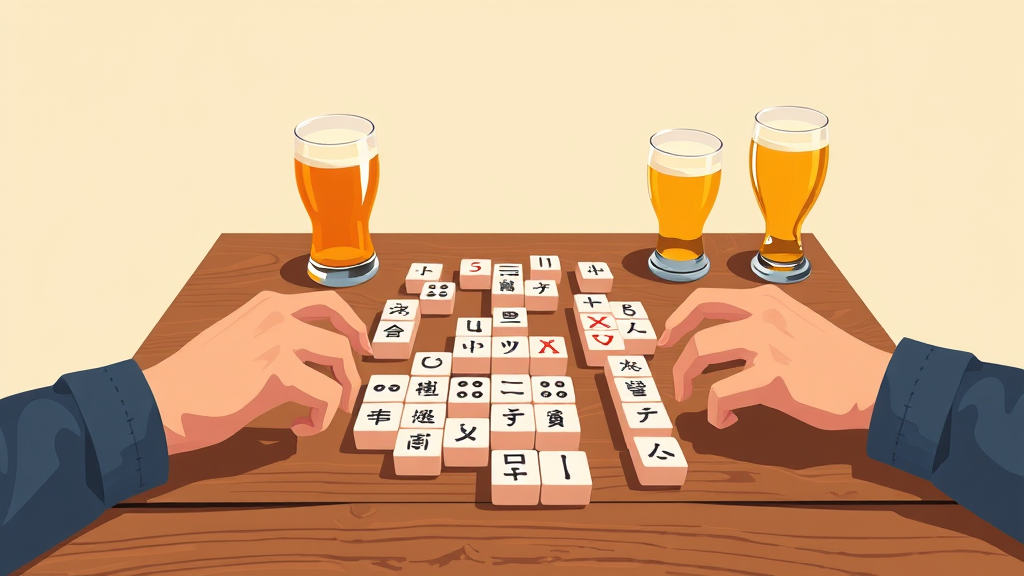

Some trends arrive with a marketing budget. This one arrived with a fistful of tiles and the sound of your aunt aggressively slamming a winning hand on a folding table. As The Colorado Sun reports, mahjong, the four-player Chinese tile game that's been around for about 150 years, is having a genuine moment in Colorado right now. It's showing up in bars, libraries, breweries, and living rooms all over the state.
And I mean, of course it is. Mahjong is a perfect game. It's social in a way most games only pretend to be, everyone's engaged the whole time, there's enough luck that beginners win occasionally and enough skill that the regulars keep winning anyway. It's poker's chattier cousin who actually wants to hear about your week.
The Colorado Sun piece digs into how the revival is playing out on the ground: meetups popping up at breweries, library systems hosting learn-to-play sessions, dedicated clubs where the etiquette around the table can get surprisingly specific. Some groups play American-style mahjong with the yearly National Mah Jongg League card, others play the Hong Kong or Chinese variants, and yes, people have opinions about which is correct. They always do.
The game's history is messier and more interesting than most players realize, and the Sun is right there with it, dragging that complicated history into the present. A game that's traveled this widely was always going to carry its whole passport, and part of what's happening in Colorado right now is people actually sitting with that story instead of skipping past it.
What strikes me most is where it's landing. Libraries and bars, which sounds odd until you've watched it happen. A library mahjong night is a beautiful thing: strangers, all ages, a table that fills with clacking tiles and laughing arguments over whether that was a legal discard. I've stumbled into game nights like this in night markets in Taiwan and in a community center in some tiny town about an hour out of Chiang Mai, I forget the name, and the vibe is identical. The game travels without changing shape.
If you want in, the barrier is lower than you think. Most library and meetup sessions teach from scratch, and experienced players genuinely love converting newbies, it's a missionary game that way. Expect the first two hours to feel like being handed a spreadsheet in a foreign language, then expect it to click all at once around hour three. That's the moment people get hooked. Set-building, the patterns, the little click of a tile finding its place in your rack.
My one piece of advice: learn the etiquette alongside the rules. Racking your own tiles, waiting your turn, not gloating (or gloating, depending on the table, read the room). Half the game is the table culture, and the table culture is the part worth keeping.
Every place has something it plays. Colorado apparently plays this now. If you've been meaning to learn, this fall is the moment. Grab a seat at a library night, lose gracefully to someone's grandmother, and you'll understand why a 150-year-old game never actually needed a comeback. It just needed a table.
Comments (0)
Log in or sign up to join the conversation.
No comments yet. Be the first.