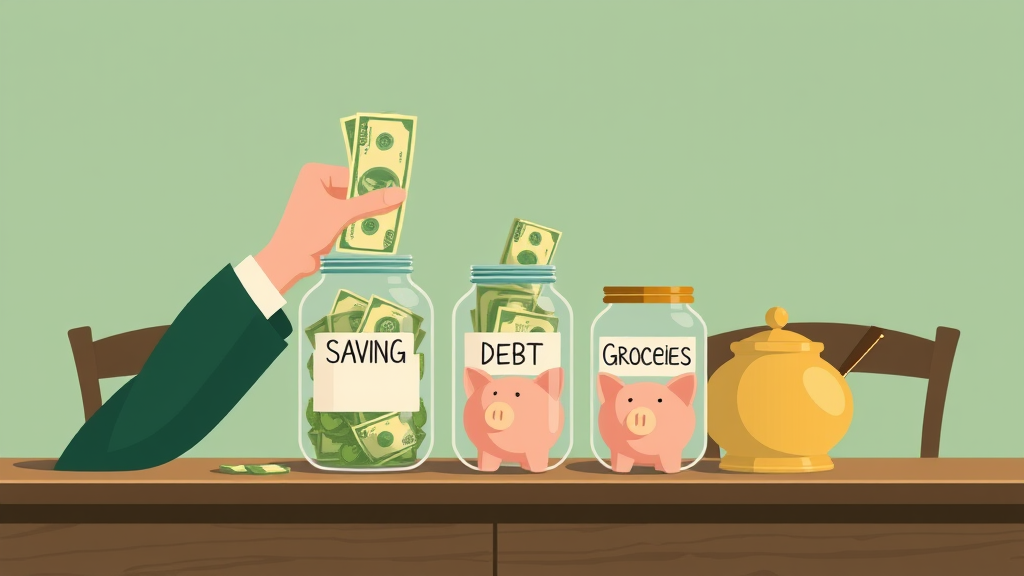

MSN put together 13 money experts sharing their best budgeting tips for any income, covering saving, investing, and managing debt. I can't actually pull up the specific tips, so I'm not going to pretend I can quote them, and none of this is a summary of what those 13 people said. What I can give you is what's actually mattered in my own life, because this genre is smaller than it looks.
I've read a lot of these roundups, and the same handful of ideas show up over and over in different outfits. The ones that earn the repetition, in my opinion: track your spending before you try to change it, automate your savings so willpower isn't part of the equation, and kill your high-interest debt before anything else gets fancy. Frameworks like the 50/30/20 split (50 percent needs, 30 percent wants, 20 percent saving and debt) and zero-based budgeting, where every dollar gets a job before the month starts, are useful because beginners get a shape to copy. That's my guess at why they're everywhere, not a claim about what the MSN experts said. And starting small beats starting perfect, every time. The habit matters more than the amount.
If any of that sounds familiar, it's because it worked for me. I paid off five figures of student loans with basically that exact stack: a spreadsheet, automated transfers on payday, and every extra dollar thrown at the balance with the nastiest interest rate. That's my story, not a template I can guarantee. No app saved me. No side hustle made me rich. It was boring, repeated, and it took years.
One thing I'd add from my own scar tissue: budget for fun on purpose. An actual dollar amount for guilt-free spending, because every budget I've ever run that felt like punishment eventually stopped being run. My first budget had zero dollars for eating out and I lasted about a month before one dinner blew the whole thing up. The modest fun line I added after that survived because it was honest about who I am as a person.
Another one that's mattered more than I expected: raise your savings rate every time your income goes up, before your lifestyle absorbs the raise. People call it avoiding lifestyle inflation. I call it not letting your expenses find out you got paid more, and I think it's probably the single biggest difference between people who build wealth on ordinary salaries and people who don't. Probably. I've been wrong before.
My one caution with any roundup that touches investing: generic "invest early" advice lands wrong for someone who doesn't have investable money yet, they have a credit card balance at 24 percent. Sequence matters. Emergency fund starter (even a few hundred dollars), then high-interest debt, then invest. The order of those steps is my opinion, but it's one I'd bet on.
And the tip almost nobody puts in these lists: tell someone your numbers. A friend, a partner, a group chat. Budgeting fails in silence because it's easy to quietly quit, in my experience. Telling two friends my debt total years ago kept me honest longer than any spreadsheet did.
So which tip do you pick? Whichever one you'll still be doing in March. That's the whole test.
Comments (0)
Log in or sign up to join the conversation.
No comments yet. Be the first.