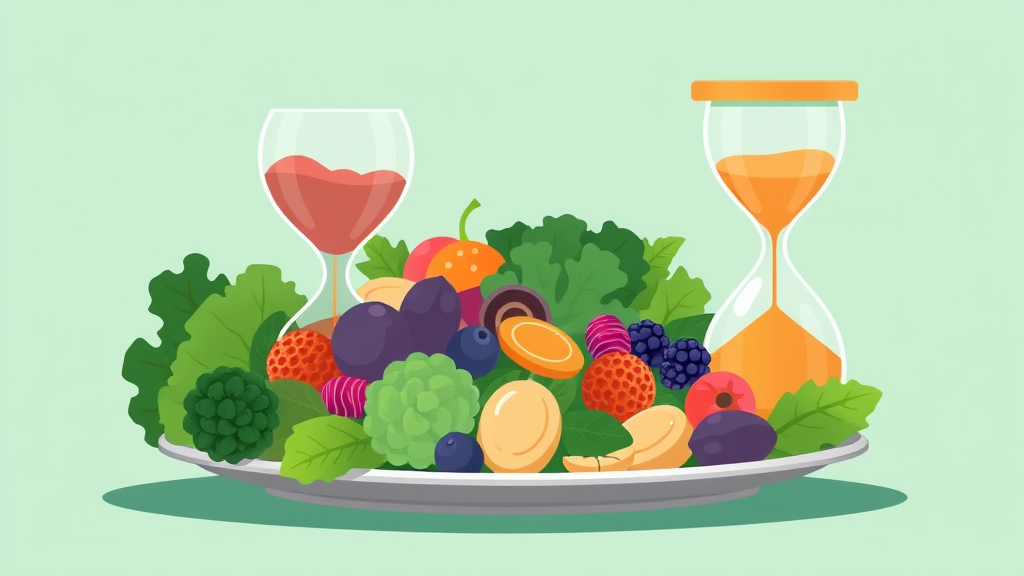

So a new study found that just one month of eating vegan may lead to epigenomic changes linked to reduced cancer risk and slower biological aging. The epigenome, if you're wondering, is basically the set of chemical switches sitting on top of your genes. My mom explained it to me once using a light switch analogy and I still think about it. Anyway. I know, I know, another vegan study. But stick with me, this one's a little more interesting than the usual "plants good, meat bad" rerun.
Researchers tracked people eating vegan for about a month and looked at epigenetic age clocks, which are tools that measure how worn out your cells look versus how many birthdays you've had. Per the study, the vegan group showed changes linked to lower inflammation and reduced cancer risk compared to the control group.
One month. That's it. Roughly 30 dinners.
Now let me pump the brakes a little, because you know I don't do hype. A month-long study tells you about short-term changes, not whether you'll live to 105. Inflammation markers respond fast to basically any diet improvement, and people who sign up for a vegan study tend to also sleep better and eat more vegetables simply because they're paying attention. My read: improved diet quality can produce rapid shifts like this, but that doesn't mean the shifts stick around, and it definitely doesn't mean the diet has to be vegan specifically.
And that's my real takeaway here. I spent most of my twenties eating garbage, energy drinks and gas station food and whatever was closest to the register, and I promise you going from that to basically any whole-food diet would make my cells throw a party. The vegan part might matter. The "stopped eating vending machine dinners" part almost certainly matters more. A month of beans, greens, lentils and actual vegetables will improve almost anyone's numbers, vegan or not.
Should you try it? If you're curious, sure. A one-month vegan experiment is low-risk and you'll probably discover two or three vegetable dishes you actually like, which is a win regardless of what your epigenome is up to. But if the idea of cutting cheese from your life makes you want to lie face-down on the floor, don't. Add the plants first. Keep the rest. Nobody needs to earn a gold star in dietary purity.
If you do go for it, watch the obvious stuff: protein (beans, tofu, lentils, don't wing it), B12 (non-negotiable, supplement), and iron. That's the practical checklist, no shame attached.
The cheap takeaway from this study is the one I keep repeating: whole foods, lots of plants, changes you can actually sustain. Whether yours includes meat or not, that shift alone looks like it moves real biology within weeks. The vegan label is optional. The vegetables aren't.
Comments (0)
Log in or sign up to join the conversation.
No comments yet. Be the first.