
There was a moment, a few years ago, when plant-based meat arrived in restaurants like a press release on a plate. Every chain wanted a burger that bled, every menu had the word "impossible" somewhere on it, and half the time nobody in the kitchen had figured out what to actually do with the stuff. Cook it too long and it dries out. Cook it carelessly and it tastes like nothing at all, which is worse.
So I read QSR Magazine's report on plant-based alternatives in restaurants with real interest this week, because what it describes is the phase I've been waiting for. Chains are now offering vegan and vegetarian options as a normal part of the menu, not as a stunt. That shift matters more than any product launch ever did.
I'll tell you why, because I grew up in a kitchen where the vegetables were never an apology. My grandmother outside Naples cooked chard and beans and zucchini that made you forget there was a second course coming. In Italy, eating vegetables seriously is not a trend, it is just... eating. So when American restaurants treat a plant-based dish as something to hide inside a burger patty, I always wonder why nobody is leaning into what the vegetables themselves can do.
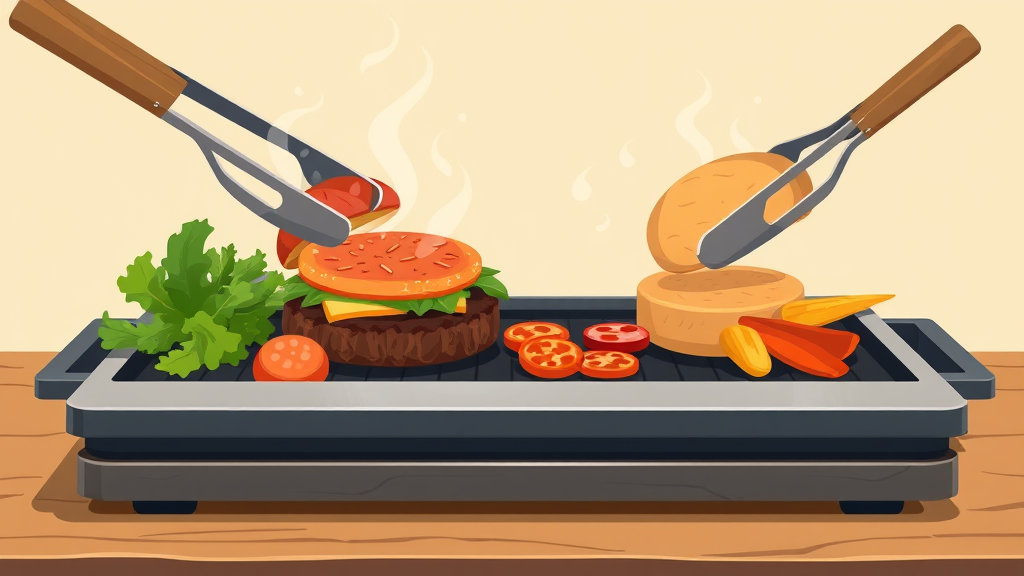
But I also understand the reality of the quick-service kitchen. The plant-based burger patty is a practical answer. It drops on the same flat-top, uses the same bun, the same condiments, requires zero new training. And when the kitchen treats it with the same care as the beef, salt at the right moment, heat at the right level, it can be genuinely good. The problem was never the product. The problem was kitchens treating it like an afterthought, the thing you cook with one eye closed.
What I'm seeing now, and what the QSR piece points to, is a calmer relationship with these ingredients. When something stops being new, it stops being handled nervously. The cooks learn its rhythms. The menu placement stops screaming for attention. The dish becomes part of the regular rotation, which is quietly the highest compliment a restaurant can pay to any ingredient.
Think how long it took American kitchens to make peace with tofu, or how kale went from garnish to staple. The pattern is always the same: novelty, backlash, then finally somebody cooks the thing properly and everybody forgets there was ever an argument. Plant-based meat seems to be entering that third stage. The hype cycle moved on. What stayed is the customer who wants it, and now, gradually, the cooks who know what to do with it.
Is there work left? Of course. Some versions still taste like a food scientist's homework. Price is still a question in a lot of places. And a menu option that exists only to be photographed is exactly the kind of thing I've complained about before. But the direction is right. Good food needs care, not money, and the same goes for plant-based food. A cook who pays attention can make a lentil burger worth driving for. A cook who doesn't can ruin a dry-aged ribeye.
I'll keep watching this space, and I'll keep ordering the vegetarian option more often than you'd expect from a guy who grew up on Sunday ragu. Not as a statement. Just because when it's cooked with care, it's good, and good is the only argument that lasts.
Comments (0)
Log in or sign up to join the conversation.
No comments yet. Be the first.