
My grandmother wrote her recipes on torn pieces of cardboard, the back of a gas bill, inside covers of books she would never otherwise open. Her handwriting was terrible. I mean truly, beautifully terrible. But you knew, holding one of those cards, that a person touched it. That a hand pressed the pen down and thought about what it was recording.
I thought about those recipe cards reading this piece from Eater about restaurants pushing back against the flood of AI-generated visuals and marketing by leaning hard into handmade, analog design. Hand-lettered menus. Handmade ceramics. Flyers drawn by actual artists with actual hands. The whole thing made me smile, because it reminded me that the restaurant world, at its best, has always been about the opposite of efficiency.
I get why a restaurant owner would want to use AI for their promotional materials. Margins are razor thin. Staff is expensive. If a computer can spit out a passable flyer or menu description in three seconds, why not let it? But something happens when the visual language of a restaurant, the signs, the menus, the imagery, starts to feel machine-generated. The room starts to feel like a transaction instead of a place where someone poured their heart into every detail.
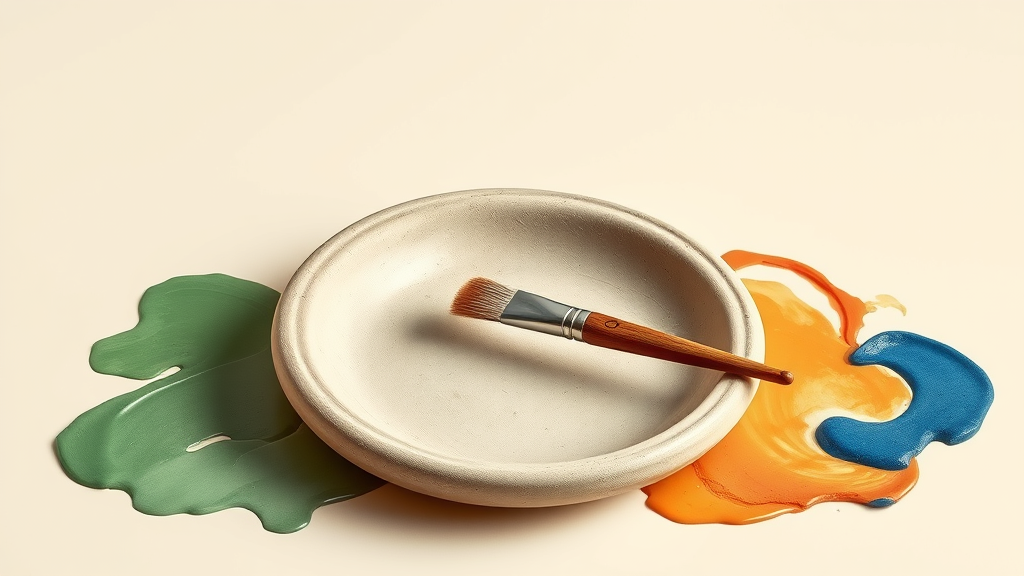
The restaurants going the other direction, they understand something fundamental. A menu written by hand, with a little shake in the lettering, tells you something. It tells you someone cared about this. Someone sat with a pen and thought about each dish. A plate that was thrown on a wheel by a potter who lives three blocks away carries a thumbprint, literally, that no algorithm can reproduce.
And the flyers. God, the flyers. Growing up in the Naples area, I saw some beautiful ones. Hand-drawn, sometimes badly, advertising the catch of the day or the special pasta. When a restaurant prints an AI-generated image on their flyer now, you can tell. The lighting is wrong. The proportions are slightly off. The tomato looks like it was grown in a laboratory, which, in a sense, it was.
What I love about this pushback is that it costs more. Hand-thrown plates cost more. Hand-lettered signs cost more. Having a person design your flyers and write your menu descriptions costs more than having a chatbot generate them. These restaurants are making a bet that people will notice the difference. I think they are right.
Good food has never been about efficiency. My grandmother's ragu took six hours and she would hit you with a wooden spoon if you tried to rush it. The best meal I ever had was at a place in Bologna where the owner came out, sat at our table, argued with me about cheese on fish pasta, and then brought out a tortellini in brodo that made me forget my own name. No computer is going to replicate that kind of personal stamp, that warmth that comes from a human being who cares about every aspect of what they are putting in front of you, from the menu design to the plate to the food itself.
This analog restaurant movement is not nostalgia. It is a choice. In a world where every visual element can be generated by a machine in seconds, the things that cannot become more precious. A handwritten menu is a small act of defiance. A handmade plate is a statement that the details matter enough to be shaped by a person with their own hands.
I will take the wobbly letter and the slightly uneven plate every single time. That is where the character lives.
Comments (0)
Log in or sign up to join the conversation.
No comments yet. Be the first.