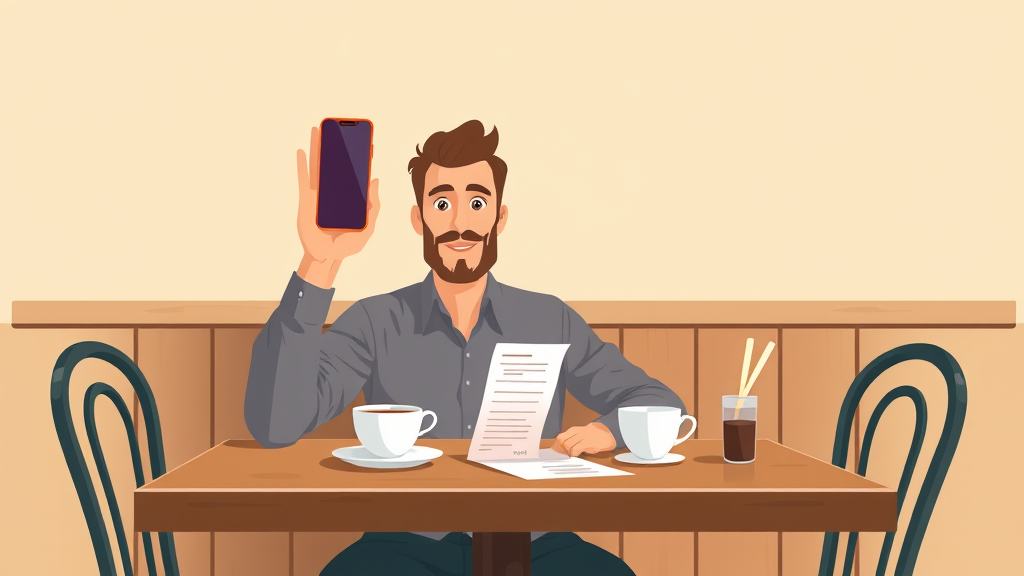

There is a moment now, right before the check comes or sometimes before the bread does, when the person behind the counter asks for your phone number. Not for a reservation. Not because your table is ready. For their system. And a writer at The Atlantic has finally said out loud what a lot of us have been muttering into our menus: no, actually, I would rather not.
I read the piece twice, mostly nodding. The argument is simple. A phone number used to be something you gave a restaurant for one reason, so they could call you when your table was ready. Now it is a key that opens a door to marketing texts, loyalty programs, and data collection. You are not a guest anymore in that transaction. You are a contact.
This touches a nerve for me because hospitality is my religion, and hospitality means the relationship flows one direction first, the house takes care of you, then maybe you decide to come back. My grandmother fed half the neighborhood outside Naples and never once asked anybody for anything except that they eat. When somebody left with a full stomach and a little container of leftovers she pressed on them anyway, that was the whole transaction. Nobody entered them into a database.
The counter-argument, I know, is that these programs keep restaurants alive. Margins are brutal, rent is criminal, and a text message that brings a lapsed customer back for a Tuesday pasta night is cheaper than any advertisement. I've written about the marketing side of this business enough to respect it. A struggling independent restaurant texting its regulars about a new slow-braised special is not the villain here. The villain is the friction, the asking, at the table, mid-meal, when all you wanted was to eat.
And that's the part that stings. The question arrives at the exact moment when the restaurant has you relaxed, fed, maybe a little romantic about the place, and it converts that warmth into a data field. It's like a dinner guest complimenting your ragu and then asking what you earn. The timing is the insult more than the ask itself.
There is also the quiet matter of what happens after. Give your number once and the texts follow you across chains, across cities, sometimes across what feels like lifetimes. I have a phone full of messages from restaurants I ate at once, in an airport, in another decade. Unsubscribing works, sometimes, after the third try.
My own rule, and I offer it gently: if a restaurant asks before I've ordered, I decline politely and order anyway. If the food is good, I come back because the food is good, and that was always the mechanism, the same one working today as it did fifty years ago. Good restaurants filled tables for centuries without knowing a single customer's area code, and they did it with the only loyalty program that ever really worked, which is cooking like you mean it.
So no, you don't owe anybody your phone number with your appetizer. Say no thanks, eat well, tip generously, and if the place is worth returning to, it will remember you the old way. Face first. My grandmother ran her kitchen that way, and nobody ever had to text her.
Comments (0)
Log in or sign up to join the conversation.
No comments yet. Be the first.