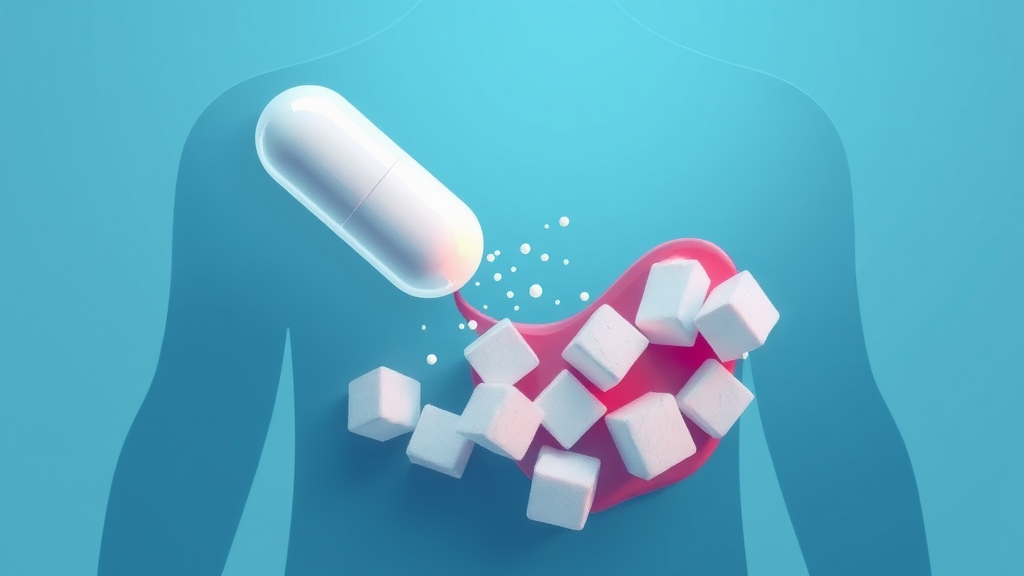

If you or someone you love takes metformin, you're in good company. It's been a first-line medication for type 2 diabetes for decades, prescribed to millions of people around the world. And yet, for a drug this common, scientists have spent years debating how it actually works, which always made me smile in disbelief. Researchers now say they've got a clearer explanation, and it reminds me how much we still learn about medicines we thought we had fully figured out.
The basics first, for anyone who hasn't sat through a family dinner with a diabetic relative explaining all this over pie. Metformin helps the body manage insulin and lowers the amount of sugar the liver releases into the blood. It's inexpensive, it has a long history behind it, and it has a safety record most drugs would envy. My own doctor calls it "the workhorse," and she's not wrong.
But the mechanism, the actual how, has been fuzzy. The leading theories have pointed to the liver as the main site of action, with the drug interfering with the energy machinery inside our cells. The trouble, according to the new reporting, is that earlier lab work didn't always line up with what happens in a real human body at normal doses. It's a bit like judging a car's fuel efficiency by flooring it nonstop; the results don't match the real world.
The updated explanation brings the picture closer to reality. Scientists have been working out how metformin behaves at the concentrations that actually occur in people taking standard doses, and the reporting suggests the drug's effects reach beyond the liver alone. Our bodies, it turns out, are doing quiet work we barely appreciated a generation ago, rather like how nobody in 1984 imagined the mouse on my first Mac would someday feel quaint.
Why does any of this matter to you at home? A few reasons, and they're practical ones. Understanding the true mechanism helps researchers predict who will respond well to the drug and who might struggle with side effects like the stomach upset that sends some folks to the pharmacy counter asking for alternatives. It also opens doors for designing new drugs that borrow metformin's best tricks with fewer of its drawbacks. And for researchers exploring whether it might help with other conditions beyond diabetes, knowing the real mechanism means those studies stand on firmer ground.
I find this story genuinely comforting, honestly. A drug used by millions, studied for decades, can still hold surprises. Science isn't a finished textbook; it's a conversation that keeps going. When my granddaughter Jess asks me why I get excited about studies like this, that's what I tell her. The answer today is better than the answer last year, and next year's will be better still.
One gentle caveat from your tech-and-science aunt: if you take metformin, don't change a thing based on a headline. Keep taking it exactly as prescribed, and if this news makes you curious, bring your questions to your doctor or pharmacist. They love a good informed patient.
I'll keep an eye on where this research leads, because if there's one thing I've learned watching four decades of technology and medicine evolve, it's that the best discoveries usually start with someone admitting, "well, we thought we knew." And this time, they admitted it about one of the most prescribed drugs on the planet. Wonderful, isn't it?
Comments (0)
Log in or sign up to join the conversation.
No comments yet. Be the first.