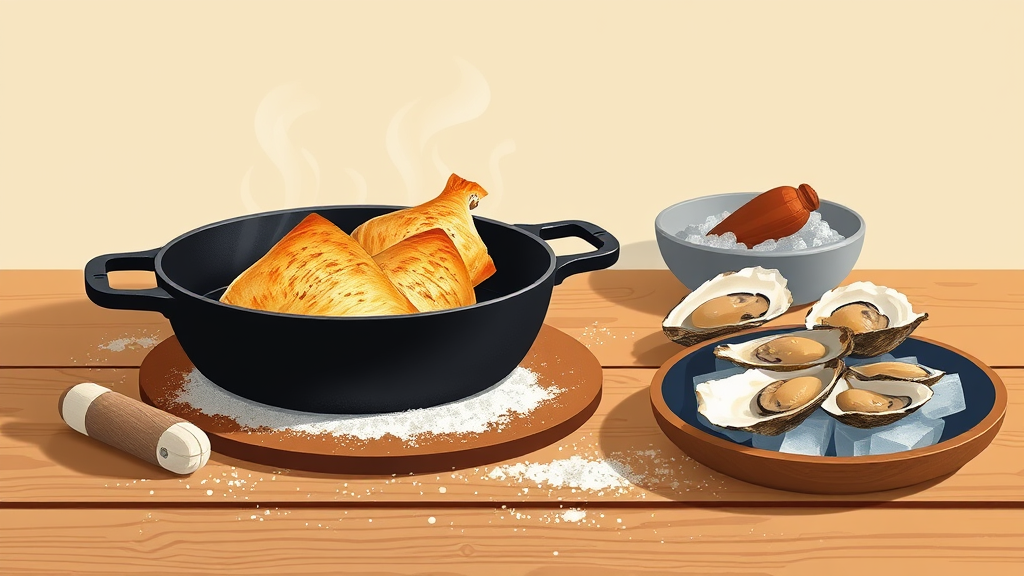

Arkansas is not the ocean. Let's get that out of the way immediately. But if you think good seafood needs a coastline, you have never eaten fried catfish in the Delta, where the fish came out of a pond that morning and the cornmeal was seasoned by somebody's grandmother forty years ago and nobody has dared change the ratio since.
A new roundup from Ever After in the Woods collects seven longtime Arkansas seafood restaurants, places that have survived recessions, floods, changing tastes, and the entire invention of the food influencer, still doing the same thing their founders did. Fried catfish, shrimp, oysters, hushpuppies. Traditions handed down like family silver.
I grew up outside Naples, where my nonna treated the sea's calendar like a law of the Church. Some months, anchovies; other months, nothing. So I have a soft spot for inland places that take seafood seriously anyway, because the commitment is harder when the water is 400 miles away. Arkansas does this with catfish the way Tuscany does it with beans: without ceremony, without apology, and with a seriousness that would embarrass a lot of coastal restaurants I have paid triple for.
What strikes me about these seven places is the sameness, and I mean that as the highest compliment. The restaurants that last decades in small-town America are almost never the ones that reinvented themselves every five years. They are the ones where the fryer oil is treated with respect, where the coleslaw recipe is not negotiable, where the owner knows that a family driving in from two counties over is not looking for a surprise. They are looking for the catfish they remember.
And there is a lesson in that for everyone cooking at home, too. The fried catfish that people drive an hour for is not complicated. Fresh fish, seasoned cornmeal, hot oil, patience. That is the entire cathedral, right there. What separates the memory-making version from the frozen version is care: fish dredged properly, oil at the right temperature so the crust seals instead of greases, hushpuppies fried in the same fat so they carry the flavor of everything that came before them. Good food needs care, not money. A plate of Delta catfish costs less than a sandwich in Manhattan and delivers more honest pleasure than most tasting menus I have sat through.
Oysters in landlocked Arkansas might raise an eyebrow, but this is an old American tradition, the oyster bar as a small-town institution, a holdover from the days when railroads carried shellfish inland on ice and Saturday night meant raw oysters and beer. Some of these restaurants are keeping that ritual alive for third and fourth generations of customers, children who sat in booster seats now bringing their own children to order the same dozen.
If you find yourself driving through Arkansas, and you should, this list is a map of patience. Each of these kitchens decided at some point that what they did was already good enough to protect, and then they protected it for decades. In a food culture currently obsessed with novelty, with mashups and stunts and menus designed to be photographed instead of eaten, a restaurant that refuses to improve on a recipe because the recipe was never broken is quietly radical.
My advice: go hungry, order the catfish, eat the hushpuppies while they're still too hot, and ask your server how long the place has been open. In Arkansas, the answer is usually measured in generations.
Comments (0)
Log in or sign up to join the conversation.
No comments yet. Be the first.