
I've eaten some questionable things in my travels. Street food in Hanoi at 2 a.m., a mystery stew in some tiny town about an hour outside Chiang Mai I forget the name of, something fermented in Georgia that I'm pretty sure could have powered a small vehicle. So when I hear about "upcycled food," my brain doesn't immediately go to gross. It goes to interesting.
And right now upcycled food is having a moment.
The basic idea is simple: take food that would otherwise go to waste, things like surplus crops, ugly produce, spent grain from brewing, pulp left over from juice production, and turn it into something people actually want to eat. We're not talking about dumpster diving or scraping mold off bread. This is a real category of food production that pulls perfectly good ingredients back into the supply chain instead of tossing them into a landfill.
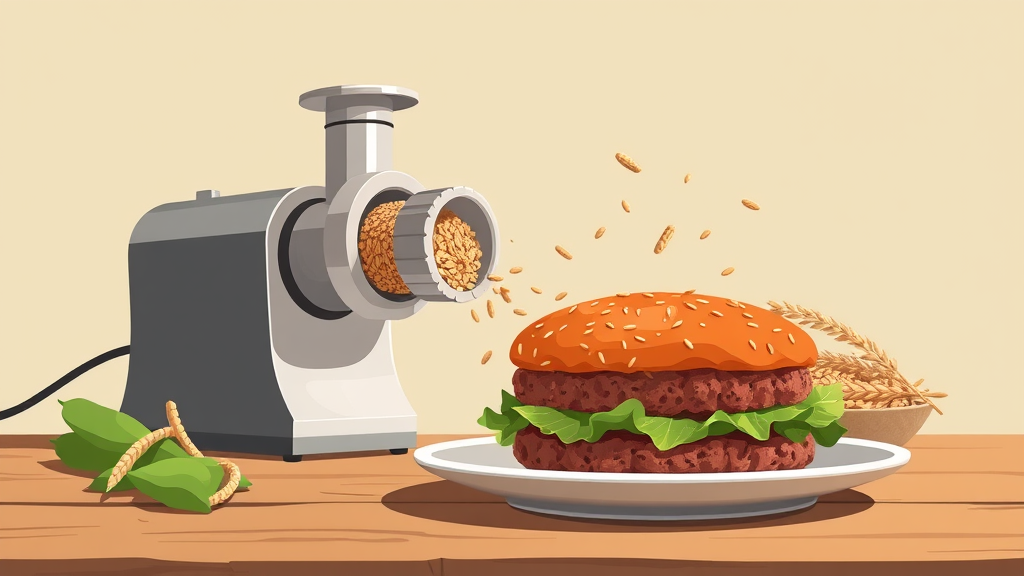
Reuters reports that startups like Rootly are building entire business models around this. Rootly makes plant-based meat alternatives using surplus ingredients, basically rescuing food that was grown but never going to make it to a grocery shelf, and processing it into something that lands on your plate as dinner.
Here's why this matters. About one third of all food produced globally gets wasted. That's a staggering amount of energy, water, land, and labor thrown away because a carrot was too crooked or a farmer grew more zucchini than the market wanted to buy. Upcycling doesn't solve every piece of that puzzle, but it grabs some of those losses and says, nope, we're eating this.
What I like about the Rootly approach specifically is that it doesn't feel like a sacrifice. Nobody wants to eat something that tastes like penance. You know what I mean, those sad cardboard veggie patties from the early 2000s that tasted like someone pressed sawdust into a disc and called it progress. The new wave of upcycled products is being designed to taste good first and carry the sustainability story as a bonus. If it tastes like something you'd actually order twice, the mission follows naturally.
The market seems to agree. Upcycled food certification is growing, retailers are paying attention, and consumers, especially younger ones who grew up watching climate documentaries and scrolling through food waste stats, are voting with their wallets. When I say I'd take a food cart meal over a fancy restaurant any day, part of what I love is that street food culture has always been about using every part of the ingredient. Nose to tail, root to stem, whatever you want to call it. Turning nothing into something delicious is one of the oldest cooking traditions we have. These startups are just scaling it with better technology.
There are challenges, obviously. Scaling is the big one. What works in a pilot kitchen has to work in mass production, and sourcing consistent streams of surplus ingredients requires serious logistics. Then there's the messaging problem. "Upcycled" is a word that makes some people excited and other people suspicious. Food companies have to figure out how to talk about this without sounding like they're serving you garbage with a wellness label slapped on it.
I keep thinking about the plant-based packaging stuff I wrote about recently, the biodegradable wrap made from food waste material. Same energy, different product. The overlap between reducing waste and creating something new is where a lot of the most interesting food innovation is happening right now.
Would I try upcycled plant-based meat? Obviously. I've eaten sea squirt stuffed shishitos in Massachusetts. My bar for "sure, I'll try it" is somewhere in the earth's core at this point. But I genuinely think this category is worth watching, not as a novelty but as a real shift in how we think about what food is and where it comes from.
Every ingredient has a story. The best ones get a second chapter instead of a landfill.
Comments (0)
Log in or sign up to join the conversation.
No comments yet. Be the first.