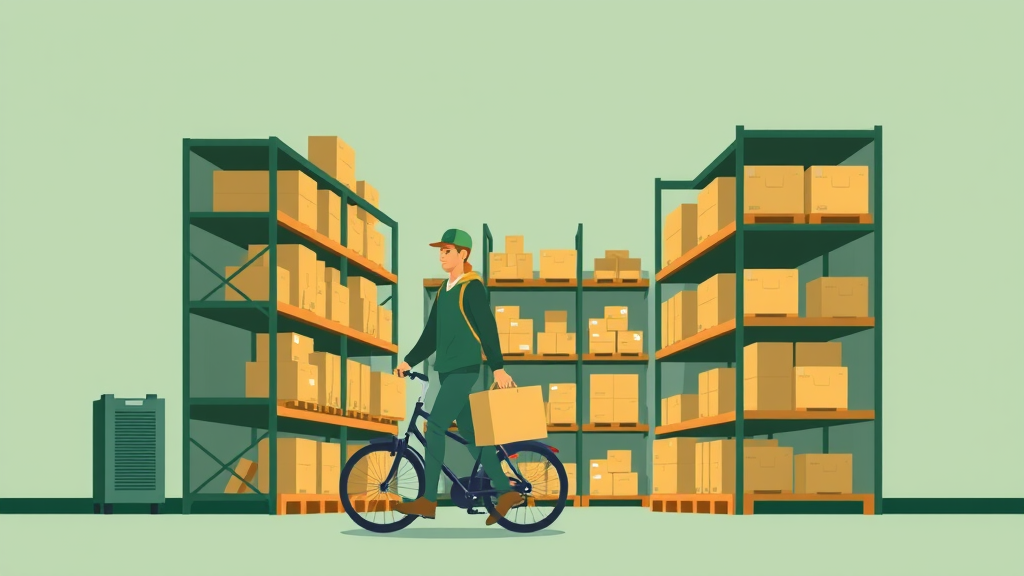

Swiggy has the paperwork to match its plan now. Shareholders approved lifting the foreign ownership cap, which clears the way for Instamart, its quick-commerce arm, to stop being a marketplace and start owning its own inventory, the same setup its main rival Blinkit runs. Reuters reported the vote, and the company is betting the shift lifts margins over time.
I wrote about this when the news first broke last week, so I won't rehash the whole argument. But the short version matters here, because the shareholder approval turns a strategy slide into an actual operating decision. When Instamart operated as a marketplace, it connected buyers and sellers and took a cut. The people holding the goods, and the risk of those goods going bad, were somebody else. Under an inventory model, Swiggy buys the goods itself, stocks them in its own dark stores, and eats every rupee of spoilage, theft, and mispriced demand.
Why would anyone volunteer for that? Because the marketplace model in Indian quick-commerce had turned into a competition over who can lose money the fastest. Commissions get competed away. Delivery fees get subsidized. Everyone races to the bottom and calls it growth. Owning inventory is the only durable way out of that trap, since it lets you capture the full retail margin on each order instead of a thin slice of someone else's. Blinkit already runs this model, which is a large part of why it sits where it sits.
The trade-off is real, though, and it's the one I flagged last week. A marketplace that never touches the product carries almost no inventory risk. An inventory model ties up working capital in milk, fruit, and snacks with expiration dates that don't negotiate. A 15-minute delivery promise is worthless if the forecast was wrong and the shelves hold the wrong items. The skill that decides this whole thing is demand forecasting at the level of an individual store, and that is hard, unglamorous work that no press release can fake.
Run the simple arithmetic. If a dark store carries, say, 2,000 individual products and the average item sits on the shelf for ten days, every store has weeks of revenue parked in goods that might expire before they sell. Multiply that by hundreds of stores. Now suppose forecasts miss by just five percent on perishables. Five percent sounds small until it's five percent of fresh inventory across an entire network, thrown in the bin. That's the gap between a margin boost and a margin sinkhole, and it will show up in the gross margin line within a couple of quarters.
The foreign ownership cap matters more than it might seem from the outside. India restricts foreign investment in companies that run multi-brand retail inventory, which is why Instamart couldn't simply switch models whenever it pleased. The shareholder vote and the regulatory path behind it were prerequisites, not formalities. Blinkit, meanwhile, is already operating on the other side of that line, running the very model Swiggy has just gotten permission to adopt.
For anyone holding Swiggy or watching it as a possible purchase, the next two or three quarterly reports are the whole story. Watch the gross margin on Instamart specifically, and watch the working capital line. If margins expand while inventory turns stay healthy, the model is working and the Blinkit comparison holds. If margins stall while inventory balloons, the company has bought itself a very expensive grocery store. Revenue growth will tell you almost nothing; anyone can grow revenue while holding perishable goods. Profitability per order is the number that earns the patience.
I've watched a lot of businesses make this exact transition, from asset-light to asset-heavy, and the pattern is consistent. The ones that succeed treat forecasting as the core of the business. The ones that fail treat it as a software problem they'll solve later. But there is no later. The inventory is already on the shelf.
As always, this is my perspective on a business model, not professional financial advice. Do your own homework, or talk to someone licensed before you act on any of it.
Comments (0)
Log in or sign up to join the conversation.
No comments yet. Be the first.