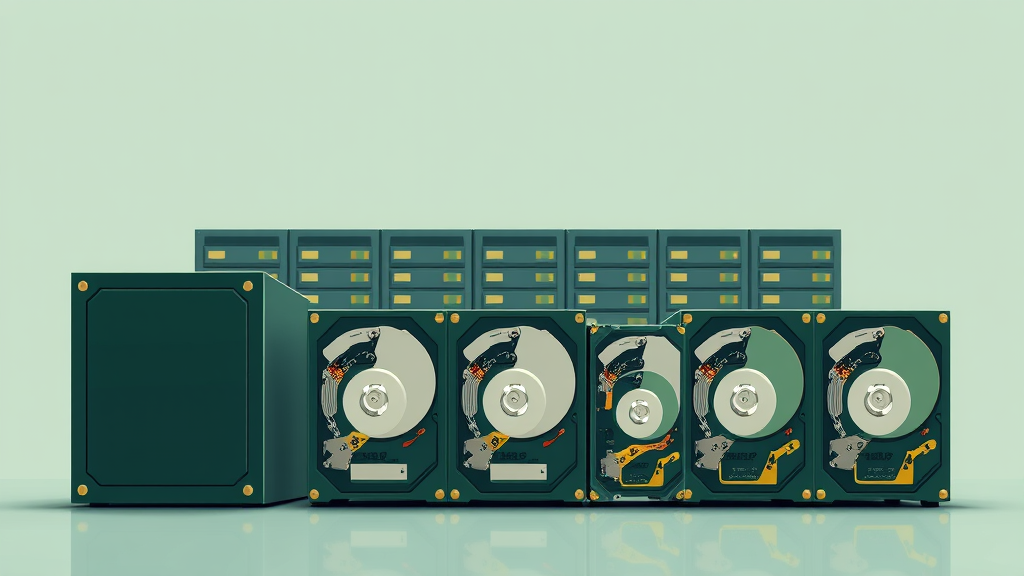

Seagate and Western Digital shares fell this week after a report that Toshiba, their Japanese rival, plans to double its production capacity for the hard drives used in AI data centers. The worry is simple enough: the shortage that has been pricing these drives like scarce goods might actually ease.
I understand the reaction, but I'd slow down before treating it as a verdict.
Some backdrop first. Hard drives, the spinning kind most people assumed were headed for extinction, have had a strange second life. AI training and storage gobble up capacity, and nearline drives, the big workhorses sitting in racks, have been in short supply. That shortage let Seagate and Western Digital raise prices, and their stocks had a fine run on the assumption it would last.
Toshiba doubling capacity is a reminder that shortages invite supply. Economics 101, and true since long before AI. When something is scarce and profitable, competitors build more of it. Sometimes that takes years. Sometimes, as with commodity cycles I've watched since the late '80s, the supply arrives right as demand takes a breather, and prices fall harder than anyone modeled.
But let's do the boring math before assuming doom. Announcing a capacity expansion is not the same as shipping drives. New manufacturing lines, especially for high-capacity drives with the precision these require, take quarters to qualify and ramp. Even if Toshiba hits its target, the industry is still working through a genuine backlog of AI-driven demand. A shortage easing from "severe" to merely "tight" is not a glut.
Still, the market's reaction tells you something about how these stocks were priced. When a single headline about a competitor's plans can knock both names down meaningfully in a day, investors were paying for the shortage continuing, not for the business through a full cycle. That part is worth sitting with. If your thesis for owning a disk-drive maker depends on scarcity never ending, you don't have a thesis, you have a stopwatch.
For most readers this is a spectator sport anyway. Disk drives are a cyclical, concentrated industry with three players and a long history of boom-and-bust pricing. Fine for a small, deliberate position if you understand the cycle. Not a foundation.
The boring core of a total-market index fund already owns Seagate and Western Digital at whatever weight the market thinks they deserve, and it will own Toshiba's expanded output indirectly through the global tech supply chain too. You get the AI storage boom if it continues, and you're spared the day a capacity headline knocks 8 percent off your week.
Worth watching from here: whether Toshiba's ramp actually lands on schedule, and whether nearline drive prices hold as new supply arrives. Those two data points will tell you more than any single day's selloff.
As usual, this is my perspective and not professional financial advice. But I've watched commodity cycles come and go for four decades, and the pattern is remarkably consistent. The cure for high prices is high prices. Investors who forgot that this week got a gentle reminder.
Comments (0)
Log in or sign up to join the conversation.
No comments yet. Be the first.