OK so this one hit different for me. Firstpost just published a piece about what actually happens to wild animals after they blow up online, and I'm not gonna lie, it made me side-eye half my own feed.
You know the pattern by now. Some animal does something weird or cute, the clip goes nuclear, and suddenly it has a name, a fanbase, merch, fan edits set to Charli XCX songs. A walrus shows up in a fjord. An orca carries a dead salmon on its head. A grumpy cat becomes a global brand. We crown these animals as celebrities in like 48 hours and then... we mostly stop thinking about what that means for the actual animal.
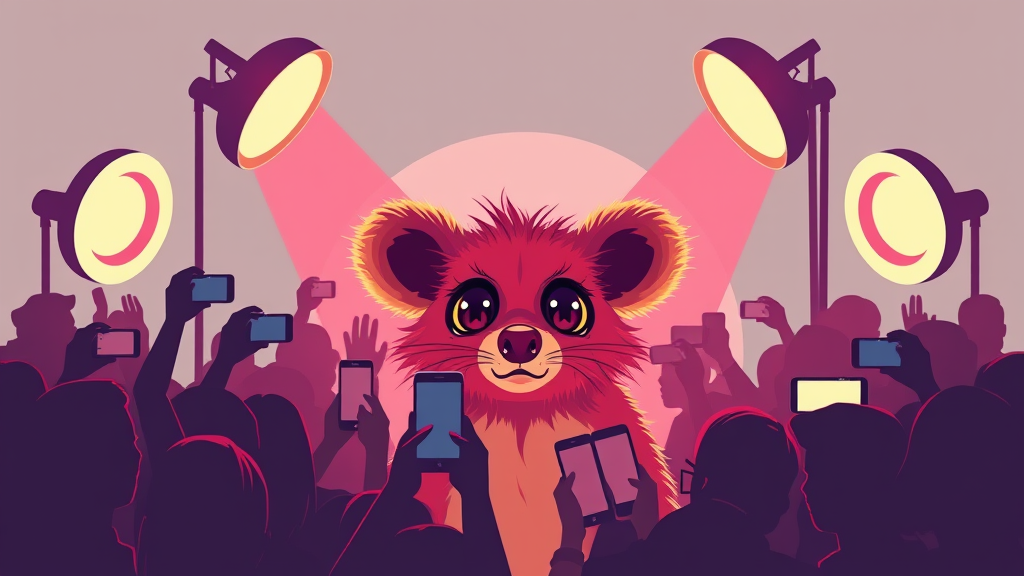
Because nobody puts this part in the caption: wild animals don't know they're famous. They don't consent to any of it. The Firstpost piece digs into how viral attention translates into real-world consequences, crowds showing up at the animal's habitat, people chasing that perfect photo, feeding them, touching them, getting way too close. And for a lot of these animals, the attention ends up being the thing that hurts them.
There's a genuinely bleak pattern where an animal goes viral, becomes a tourist attraction, and either gets harassed out of its home or has to be relocated for its own safety. Some don't make it at all. The walrus I mentioned, Freya, became a whole international news story in 2022 and the ending was exactly the kind you don't want. And we've seen versions of it over and over with dolphins, sea lions, bears, you name it. The cuter the clip, the worse the crowd.
What gets me is how familiar the whole machine looks if you cover celebrity culture like I do. Same lifecycle as any human star. Discovery, obsession, overexposure, backlash or tragedy, collective amnesia, then the next one comes along. We do it to people who at least theoretically understand what's happening to them. Doing it to a walrus that just wants to nap on a dock is a different level of weird.
And I say this as someone fully embedded in internet animal content. I have sent my grandma otter videos. Elizabeth Wingo has a folder of owl memes on her phone that she deploys strategically. This isn't me pretending I'm above it, because I'm not. But there's a line between enjoying a clip of an animal being an animal and treating a wild creature like an influencer who owes us content.
The Firstpost piece also gets at the science side of it, how repeated human contact changes animal behavior, messes with feeding and migration patterns, and habituates them to people in ways that can straight up shorten their lives. An animal that learns humans mean food or attention is an animal in danger, even when every individual human involved thinks they're being sweet.
So what's the fix? It's boring and it's the same advice wildlife people have been giving forever. Enjoy from a distance. Don't share clips that show people harassing animals for a video. Don't geotag wildlife locations, which is a real thing photographers and tour operators have started doing on purpose. And if an animal is going viral near you, maybe don't drive four hours to go see it. That one's free.
The uncomfortable version of this take is that we're the problem, all of us, and the attention economy eats everything it touches, including creatures that never asked for any of it. A viral animal isn't having a moment, it's just living. We're the ones having the moment at its expense.
Anyway. Next time a wild animal shows up on your FYP looking adorable, watch the clip, maybe send it to your grandma, and then let it be famous somewhere it can't see you. That's it. That's the assignment.
Changes: softened the "here's the part" signpost, undid the "isn't X, it's Y" parallelism scaffolds in the last two body paragraphs, and reworked the "That's the whole assignment" punchline fragment into a more natural cadence. Everything else was already in Jess's voice, so it stayed.
Comments (0)
Log in or sign up to join the conversation.
No comments yet. Be the first.