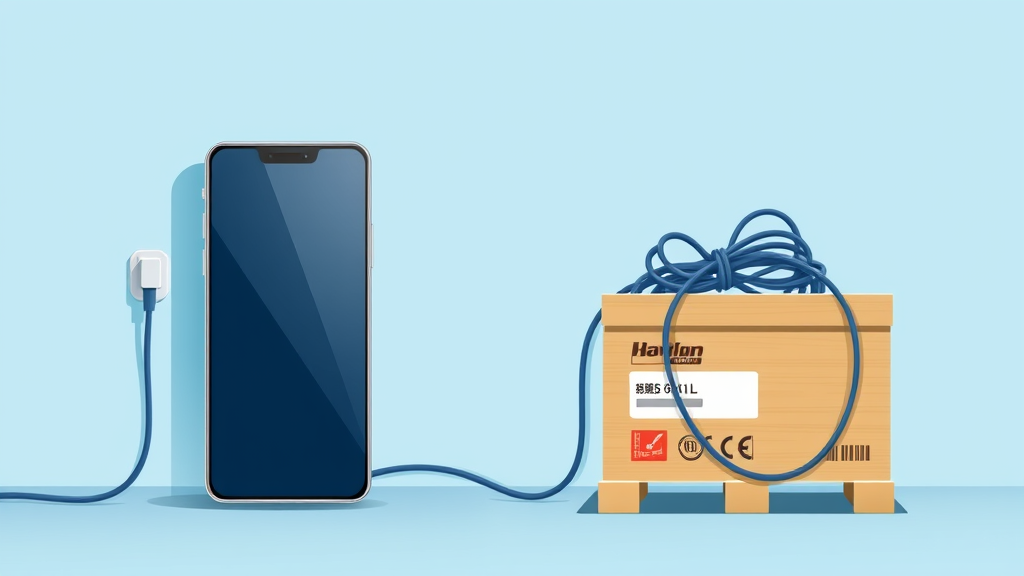

Somebody called me last week, frustrated. She'd fallen in love with a phone that isn't sold in the United States, and she wanted to know if ordering one from overseas was a terrible idea. My answer, as it so often is with technology, was "it depends, but probably not if you know what you're getting into." Engadget has a good rundown of the trade-offs, and it got me thinking about all the times this question has come up at my kitchen table.
Let's start with why people do it. The American phone market is actually pretty narrow compared to what's available globally. Manufacturers like Xiaomi, Honor, and Sharp either don't sell here at all or only offer a sliver of their lineup. Some of those phones have features we simply don't get: bigger batteries, wilder cameras, sharper displays. I remember when Japan got the coolest flip phones years before we saw anything comparable, and importing was the only way to touch one. Some things never change, they just moved to smartphones.
Price can be a draw too. A phone that carries a premium price tag here sometimes sells for meaningfully less in another market, even after shipping. That's not always true, and you have to do the math carefully, but occasionally the arithmetic genuinely works in your favor.
Now the honest part, because I'd be doing you a disservice otherwise.
First, band support. This is the technical one so bear with me. Different regions use different cellular frequencies, and a phone built for Asia or Europe may not speak the same language as your American carrier's network. You might get voice and texts but limp along on slow data, or find that 5G simply doesn't connect in your town. Check the exact model number against your carrier's compatible bands before you spend a dime. My colleague Marcus Pitts is good at digging into this stuff if you want the deep technical version, but the short version is: verify first, buy second.
Second, warranty. If that beautiful imported phone breaks, the manufacturer's warranty usually doesn't apply in the US. You're shipping it back to the country you bought it from, at your expense, or you're paying a local repair shop and hoping they can source parts. I've watched this go sideways for a family member, and it involved six weeks and a customs form I still don't fully understand.
Third, software. Imported phones often arrive with regional software, apps in another language, or update schedules that don't prioritize your corner of the world. Some never get carrier-specific features like Wi-Fi calling or visual voicemail working properly. Those sound like small things until you're standing in a parking lot with one bar and no way to make the call.
And don't forget customs fees. That bargain price can grow a surprising tail once import duties and carrier handling fees show up. What looked like a deal suddenly looks like a full-price phone with a foreign charger plug.
So who should actually do this? Enthusiasts, mostly. If you love phones the way I loved that first Macintosh in 1984, and you accept that you're the tech support and the warranty department, importing can be genuinely rewarding. You get hardware nobody on your block has and there's a real pleasure in that. If you're the kind of person who just wants a phone that works, buy something sold and supported here. Technology should work for you, and a phone you can't get repaired locally is working against you no matter how nice its camera is.
My rule of thumb after all these years: never import your only phone. Import your second one, the one you tinker with on weekends while your sensible, warrantied phone sits safely in your pocket. That way the experiment stays fun instead of becoming the reason you miss your granddaughter's call... and trust me, Jess never lets me hear the end of it when my phone acts up.
Comments (0)
Log in or sign up to join the conversation.
No comments yet. Be the first.