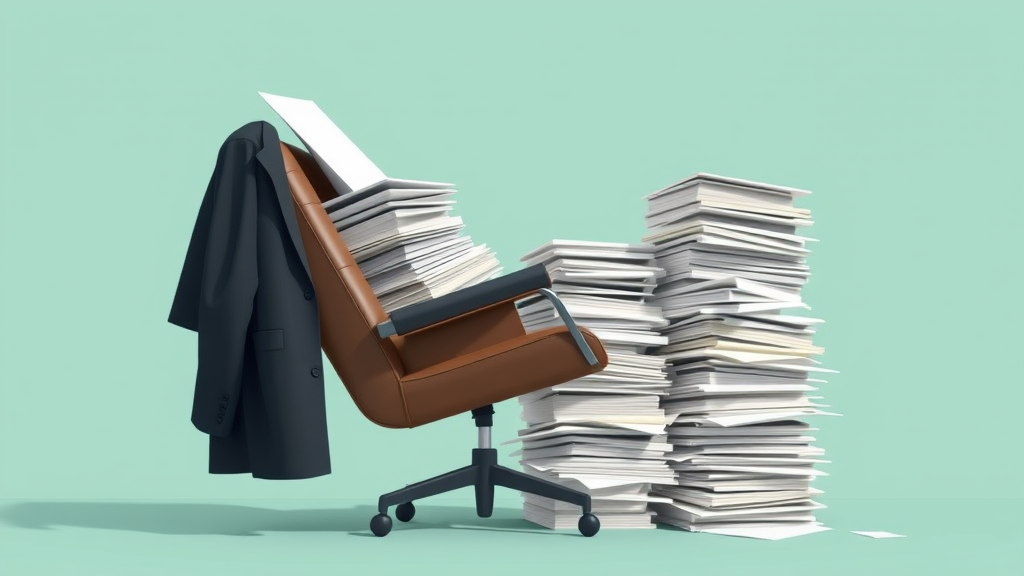

A new survey from the American Bar Association has confirmed something many women in the legal profession already know from living it. Female lawyers are reporting higher levels of anxiety, financial stress, and depression compared to their male counterparts.
The findings, covered by Reuters, come from the ABA's national survey of practicing attorneys across the United States. The gender gap in mental health outcomes was clear in the results. This is a real and measurable disparity, not statistical noise.
What struck me most was the financial stress component. We tend to think of lawyers as comfortably compensated, and many are, but the survey found women attorneys carried more worry about finances than men generally. The ABA survey itself did not break down all the reasons behind this gap. From what I know about workplace stress patterns, the contributing factors likely include workplace culture, gender bias, caregiving responsibilities that still fall disproportionately on women, and the broader financial pressures many attorneys face. That is my read based on years of studying stress in professional environments, not something the survey spelled out.
As someone who spent twenty years in healthcare, I can tell you that financial stress is not just a mental burden. It shows up physically. It disrupts sleep, raises cortisol levels over time, and feeds directly into both anxiety and depression. The mind-body connection here is not abstract. It is well-documented in the clinical literature.
I think about Linton sometimes when I read studies like this. When he was going through his hardest years in his early twenties, the stress he carried was so visible. The weight of it changed how he slept, how he ate, how he moved through his day. He got through it, and I am endlessly proud of that. But not everyone has the support system or the workplace flexibility to even begin addressing what they are carrying. That part worries me.
One thing I want to note separately from the survey itself. In my years working in healthcare and in the mental health research I read regularly, men tend to underreport mental health struggles. This is a pattern that shows up across professions, not just law. So while the ABA survey found lower reported symptom rates among male attorneys, the real gap in how people are actually doing could look different from what the numbers show on the surface. That is a general observation from existing research, not something the survey itself analyzed.
If you are in a high-pressure profession and you are feeling the weight of chronic stress, that is not a personal failing. It is a physiological response to sustained pressure. The research on burnout, which I have written about before, makes this very clear. Your nervous system is doing exactly what it is designed to do under prolonged strain.
What actually helps is not complicated, even if it is not always easy. Regular sleep, physical movement, connection with people who see you as more than your job title. And professional support when you need it, whether that is therapy, counseling, or an employee assistance program. None of that is weakness. It is maintenance, the same way you would maintain anything you rely on.
My hope with surveys like this is that firms and organizations actually read them and ask what they can change structurally, not just what individuals should be doing differently on their own. The data is right there. I just wonder whether anyone will act on it.
Comments (0)
Log in or sign up to join the conversation.
No comments yet. Be the first.