
I've written a lot about loneliness this year, and every time I do, I come back to the same thought: it sits underneath so many other health problems like a foundation nobody inspected. New research now ties it to something that keeps a lot of parents up at night, cyberbullying.
A study covered by Medical Xpress found that teenagers who are subjected to online bullying are at greater risk of later emotional and behavioral difficulties. That word, later, is the part worth sitting with. The harm wasn't only in the moment. It showed up down the road.
I want to be careful here about what the research does and doesn't say. What we know from the source is the association: bullied teens faced a higher risk of subsequent emotional and behavioral problems. The study's headline hints at loneliness as a possible bridge between the two, but I can't verify the details of that mechanism from what's been published, so I won't dress it up as settled fact. When I was nursing, we had a rule about not charting what you didn't actually observe. Same principle applies here.
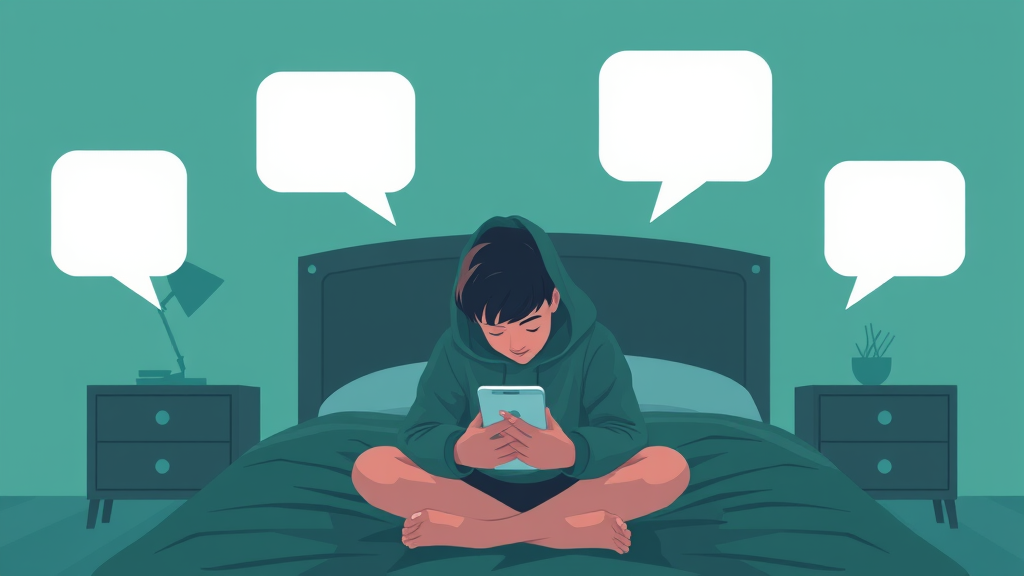
That said, cyberbullying differs from the schoolyard kind in one important way, and this is general knowledge, not study findings: there's no front door to close on it. The phone comes home. It sits on the nightstand. For a teenager whose whole social world lives on that device, being targeted there can feel like being targeted everywhere, all at once, with no exit.
My son Linton had rough stretches in his twenties, not cyberbullying exactly, but I remember watching him withdraw during the hard months and thinking the withdrawal itself was becoming the illness. Loneliness compounds. It tells a young person nobody would notice if they disappeared, which is of course a lie, but a convincing one when you're inside it.
So what can you actually do with this? A few things, and none of them involve reading your kid's messages over their shoulder.
First, watch for withdrawal rather than dramatic distress. Teens rarely announce they're being bullied. They just get quieter, spend more time alone, seem edgier after being on their phone. A slow pullback from friends is a signal worth taking seriously.
Second, if you learn your teen is being targeted, treat the social side as seriously as the reporting side. Blocking and documenting matter, and so does making sure they still have real connection somewhere, whether that's a cousin, a teammate, a youth group, one good friend who makes them feel like themselves. My nursing instinct is talking there, not a claim about what this particular study tested.
Third, ask the question directly, and I mean plainly. "Is anyone treating you badly online?" Most teens won't volunteer it. Plenty will tell you the truth if someone they trust asks without panicking.
I'd be overstepping if I claimed this single study settles everything. Research on teens is messy, and I can't confirm the study's design details from the coverage alone. But the finding fits with what parents and teachers describe over and over, and the direction of concern is clear enough to act on.
If there's a teenager in your life who's gone quiet lately, don't assume it's just a phase. Sit down with them. Ask. Then keep asking, gently, until you get something real. That's not hovering, it's nursing in the best sense of the word, and it works at home too.
Comments (0)
Log in or sign up to join the conversation.
No comments yet. Be the first.