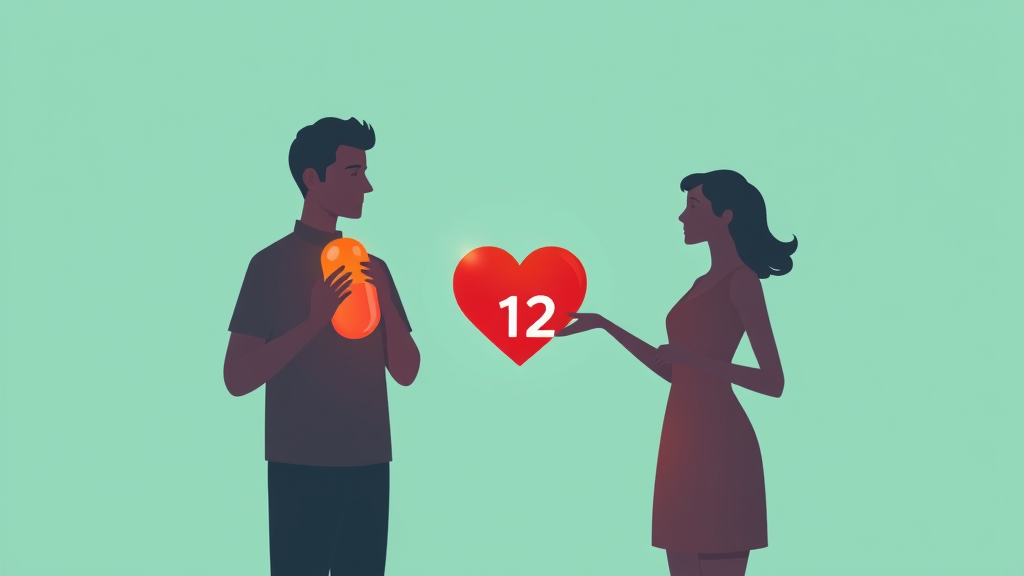

We spend a lot of time talking about what mothers should do before pregnancy. Take folic acid, get to a healthy weight, skip the wine. But a new study adds something interesting to that conversation, because it looked at both parents, not just mothers. The findings suggest that vitamin B12 levels in fathers before conception may matter for birth defect risk too.
That part catches people off guard, and I understand why. For decades, preconception health has been framed as almost entirely a woman's responsibility. The biology of pregnancy makes that understandable, but sperm carry their own epigenetic signature, and researchers have been steadily chipping away at the idea that a father's nutritional status leaves no mark. This study is one more chip in that wall.
Let me explain what B12 actually does, because it matters for understanding the result. Vitamin B12 works alongside folate in something called one-carbon metabolism. That's the biochemical pathway responsible for making DNA, synthesizing neurotransmitters, and, critically during early development, powering methylation, the process that switches genes on and off at the right moments. When B12 runs low, folate gets trapped in a form the body can't use, and homocysteine climbs. In a developing embryo that environment has been linked to neural tube defects, congenital heart defects, and other structural problems.
The researchers found that higher B12 status in both mothers and fathers before conception was associated with lower odds of certain birth defects. Not eliminated odds. Lower odds. That distinction matters, and I'll come back to it.
Associations like this deserve attention, but they come with the usual caveats. People with higher B12 levels tend to differ in other ways too: they often eat more balanced diets, are less likely to smoke heavily, and may have better access to healthcare. Researchers adjust for these factors statistically, but adjustment is never perfect. And B12 comes almost entirely from animal products, meat, fish, eggs, dairy, so vegetarian and especially vegan parents-to-be are the groups most likely to run low. Worth knowing if that applies to you.
Should you run out and buy B12 supplements if you're planning a family? If your levels are actually low, correcting that is sensible and low-risk. B12 supplementation has an excellent safety profile. Mega-dosing when you're already sufficient probably buys you nothing. A simple blood test at a preconception visit answers the question, and I'd much rather see people get that answer than guess.
My nursing years taught me that couples trying to conceive often put enormous pressure on the woman while the partner assumes there's nothing to do on his end. That assumption keeps drifting further out of date. Sperm take about three months to develop, so a father's health in the season before conception is genuinely part of the story. Quitting smoking, easing up on alcohol, managing weight, and apparently getting B12 status right, all of it counts.
When my son Linton was younger, I remember how much attention went into every detail of that season of life. The reality is most birth defects can't be prevented by any single choice. That's a hard sentence to write, and I want to be gentle with it, because guilt and pregnancy loss and congenital diagnoses are tangled together in ways no study fully captures. This research isn't about assigning blame. It's about widening the picture of what parents can influence together.
So if you and a partner are thinking about pregnancy, put B12 on the preconception checklist, for both of you. It's a cheap, easy, evidence-informed addition. And if you eat a plant-based diet, don't put it off.
Comments (0)
Log in or sign up to join the conversation.
No comments yet. Be the first.