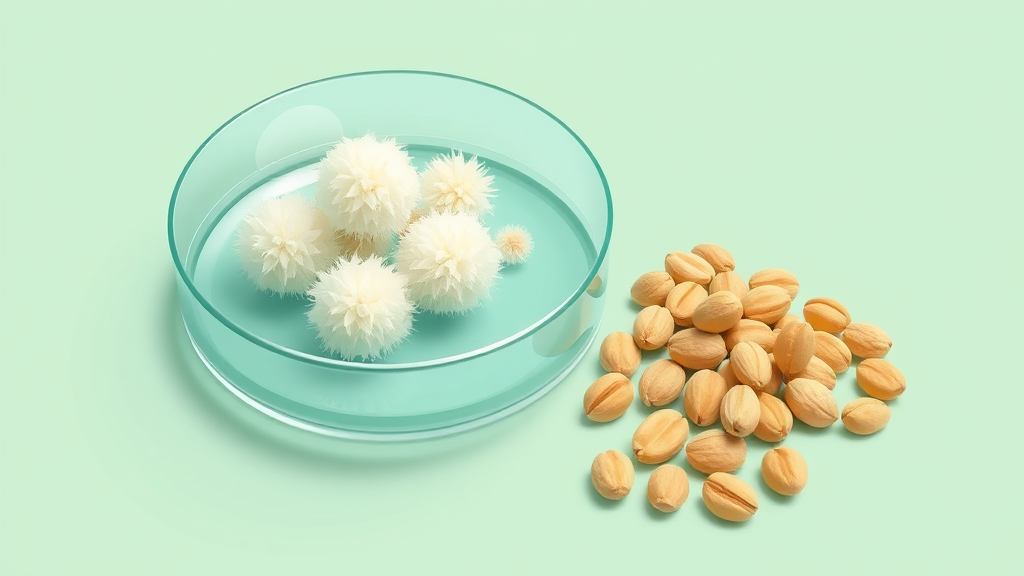

A [Reuters report from August 7](https://www.reuters.com/business/healthcare-pharmaceuticals/adjusting-gut-bacteria-may-help-with-peanut-allergies-2026-08-07/) highlights something I've been watching closely: the connection between our gut bacteria and peanut allergies. And the more studies that come out in this area, the more encouraged I get about where this research is heading.
Peanut allergies happen when the immune system misidentifies peanut proteins as dangerous invaders and mounts a response that can range from uncomfortable to life-threatening. What researchers keep finding is that the trillions of bacteria living in your digestive tract play a significant role in immune function. When that bacterial community is out of balance, the immune system can make mistakes. Like treating a harmless peanut like a threat.
When I first read about using gut bacteria to address allergies, I was skeptical. Twenty years in healthcare will do that to you. You see trends come and go. But the mechanism here makes sense. The gut and the immune system are deeply connected, not separate systems operating independently. Roughly 70 percent of your immune tissue lives in or near your gut. So adjusting the bacterial environment down there isn't some wild leap. It's working with the body's existing architecture.
My son Linton went through a phase in his early twenties where his health was a mess across the board. Digestive issues, anxiety, poor sleep, the whole picture. What turned it around for him wasn't one magic fix. It was a combination of things, but getting his gut health sorted was a big piece of the puzzle. I remember him saying, after a few weeks of dietary changes and probiotics, that he just felt clearer. Like his body had been fighting something and finally stopped. That's anecdotal, not a clinical trial, but it stuck with me. The gut is so central to how we feel that we underestimate it constantly.
The Reuters report notes that research into using fecal microbiome transplantation for peanut allergy has advanced to Phase 2 trials. That's a meaningful step forward. For context, the earlier Phase I trial was about establishing basic safety. Moving to Phase 2 means researchers are now looking at whether this approach actually works in a larger group of patients. Fecal microbiome transplantation sounds intense, but it essentially means transferring healthy gut bacteria from a donor into a patient. The pill form being tested makes the process far more approachable than it sounds.
I want to be clear about where we are in the process. Showing promise in early research is not the same as having a proven, widely available treatment. These are still early days. Larger follow-up studies are needed to confirm whether the tolerance results hold up over time, and researchers need to understand which specific bacterial strains are doing the heavy lifting. Food allergies affect millions of children and adults, and the anxiety of managing them is real. Every parent of a child with a peanut allergy knows the particular fear of a school lunchroom or a birthday party. The possibility of a treatment that addresses the root cause rather than just managing reactions is genuinely encouraging.
If you or your child is dealing with a peanut allergy, please don't start buying probiotic supplements expecting them to solve it. Talk to your allergist. Ask about clinical trials. The research is moving fast, but it's not there yet. What I can tell you is that this is one of those areas where the science keeps getting stronger, not weaker, with each study. And in my experience, that's usually a sign that something real is happening.
Comments (0)
Log in or sign up to join the conversation.
No comments yet. Be the first.