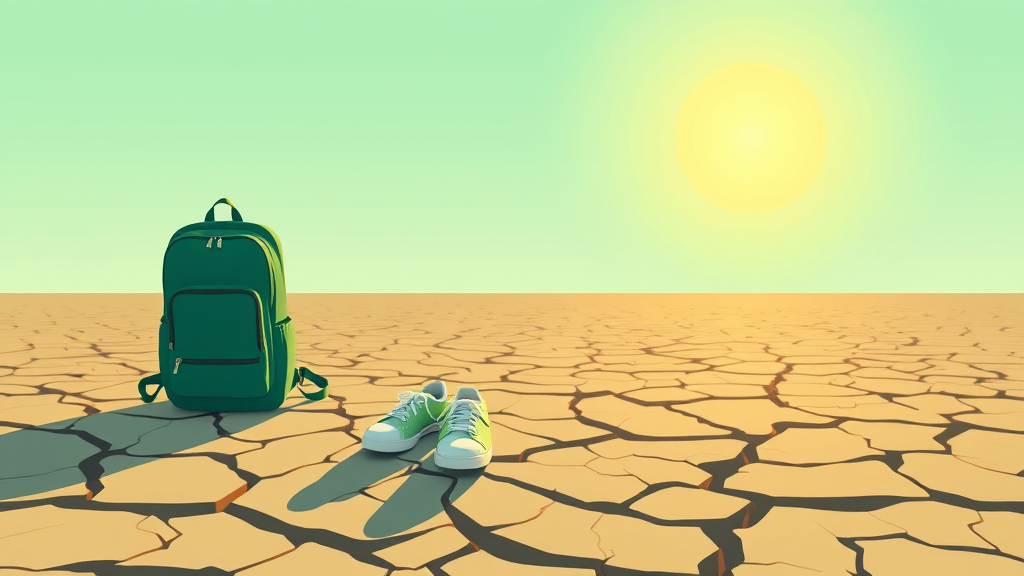

Most of us think about heatwaves in terms of physical risk. Dehydration, heat exhaustion, sunburn. Those matter, obviously. But a recent review highlights a less obvious concern. Extreme heat takes a real toll on kids' and teenagers' mental health. More than any other age group, actually.
The review pulled together findings from multiple studies on how heatwaves affect psychological well-being. The pattern was strikingly consistent. When temperatures spike, kids and teens show higher rates of anxiety, depression, irritability, and behavioral problems. Emergency room visits for psychiatric concerns increase during extreme heat events. So do calls to crisis lines.
Young people absorb the brunt of the impact. Their developing nervous systems make them more vulnerable than adults. Teenagers face compounding factors. Poor sleep during hot nights, disrupted routines, inability to spend time outdoors with friends. If you have ever spent a week trapped inside during a heatwave with a restless teenager, you have felt this firsthand. I remember Linton during a brutal August stretch when he was about sixteen. He was cranky, withdrawn, and sleeping terribly. At the time I thought it was just normal teenage moodiness. Looking back, I wonder how much of that was the heat genuinely getting to him. That is my personal experience, not a research finding, but it lines up with what this review describes.
Sleep seems to be a major part of the picture. The review identifies poor sleep during hot nights as one of the factors that compounds the mental health impact on young people. Anyone who has tossed and turned through a warm night knows that sleep and mood are closely linked. For kids and teens whose emotional regulation is still developing, disrupted sleep night after night makes everything harder.
So what can you actually do with this information?
First, take heat-related mood changes seriously. If your child seems unusually irritable, withdrawn, or anxious during a heatwave, do not dismiss it as attitude. It may be a genuine response to physical conditions they cannot articulate any better than you could at that age.
Second, prioritize cool sleeping environments. Fans, air conditioning if you have access to it, cool showers before bed, light bedding. I know some of this sounds obvious, but the sleep piece is where much of the damage seems to happen. Small interventions make a real difference.
Third, maintain social connection even when outdoor plans get cancelled. The isolation that comes with being stuck inside during extreme heat is its own mental health risk. Video calls, indoor activities, family movie nights. It sounds simple because it is. Simple works.
Fourth, watch for signs that go beyond what weather can explain. If mood changes persist well after temperatures return to normal, or if your child expresses thoughts of self-harm, reach out to a healthcare provider or a mental health professional. Heat can be a trigger, but it should never be ignored as an explanation for something that runs deeper.
Climate and mental health are deeply connected, especially for the youngest among us. Their bodies are still learning how to handle stress. Extreme heat is a stressor they did not ask for and cannot control. What they can control, with our help, is how supported they feel while waiting for the weather to break.
Comments (0)
Log in or sign up to join the conversation.
No comments yet. Be the first.