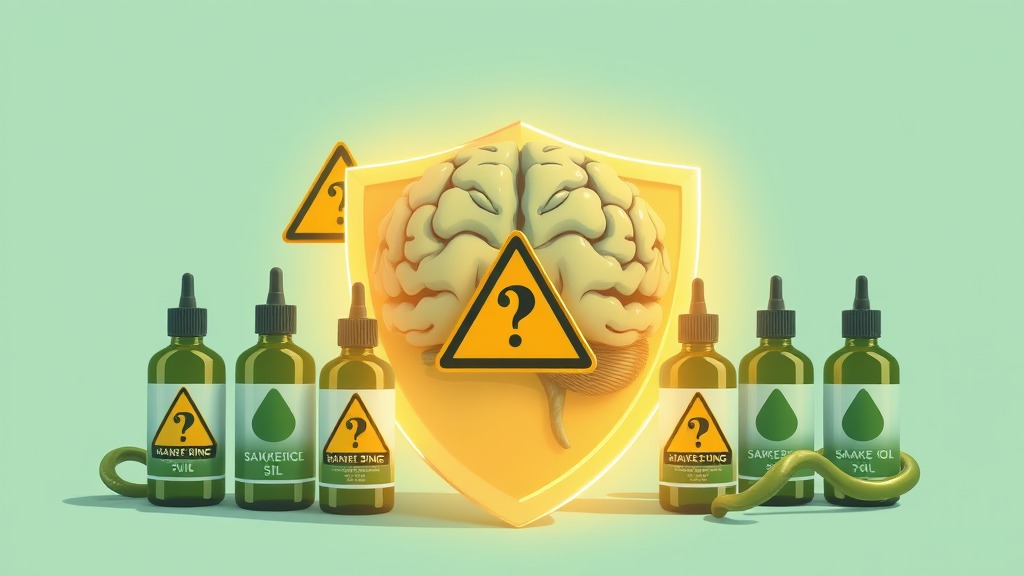

Mental health content online is a minefield. Some of it genuinely helps people. Some of it is marketing dressed up in therapy language. And some of it is just plain wrong.
When I came across a piece in Psychology Today by a psychologist breaking down how to evaluate mental health advice, I sat down and read the whole thing carefully. Because this stuff genuinely matters. If you or someone you love is trying to make sense of mental health content right now, you need to know what to trust and what to scroll past.
The article lays out concrete signals to watch for. Two of them stood out to me right away. I want to share those, and add a few things from my own twenty years in healthcare.
Check credentials against the topic. A licensed therapist talking about managing anxiety is one thing. A life coach with a weekend certificate giving advice about clinical depression is something else entirely. The Psychology Today piece makes this point clearly. I agree completely. Look at whether the person writing actually has training in the specific area they're covering.
Beware of absolute promises. Any mental health advice that guarantees a result is a red flag. "This one habit cured my anxiety" or "Do this for 30 days and your depression will disappear." Real mental health treatment doesn't work like that. It's individual, it's often messy, and what helps one person might not touch another. A responsible professional will always acknowledge that uncertainty.
Notice whether they cite research or just share personal stories. This one is my own addition to the list. Personal experience is valid and powerful, and I share mine all the time, especially when I talk about my son Linton's health journey in his twenties. But when someone presents their personal experience as universal truth, without any reference to scientific evidence, that's when you should slow down. The best content weaves both together. It says "this is what worked for me, and here's what the research suggests might help you."
Watch how they talk about medication and professional care. This is another thing I look for. Content that discourages people from seeking professional help, or that positions medication as something to avoid, genuinely worries me. A good mental health resource will encourage you to talk to a qualified professional, not convince you that their online advice is all you need.
And one more from me. If a piece of mental health advice makes you feel empowered and informed, that's a good sign. If it makes you feel anxious, inadequate, or dependent on the person giving the advice, step back. Good mental health information should reduce your stress, not add to it.
The internet has made mental health awareness more accessible than ever, and that's genuinely wonderful. More people are talking about anxiety, depression, and burnout without shame. But the sheer volume of content also means we have to be our own filter. Read carefully. Check who's writing. And when something feels off, trust that instinct.
If you're dealing with a mental health challenge, please talk to someone who's actually qualified to help. Articles and posts can be a starting point, but they're never a substitute for real care from a real professional who knows your situation.
Comments (0)
Log in or sign up to join the conversation.
No comments yet. Be the first.