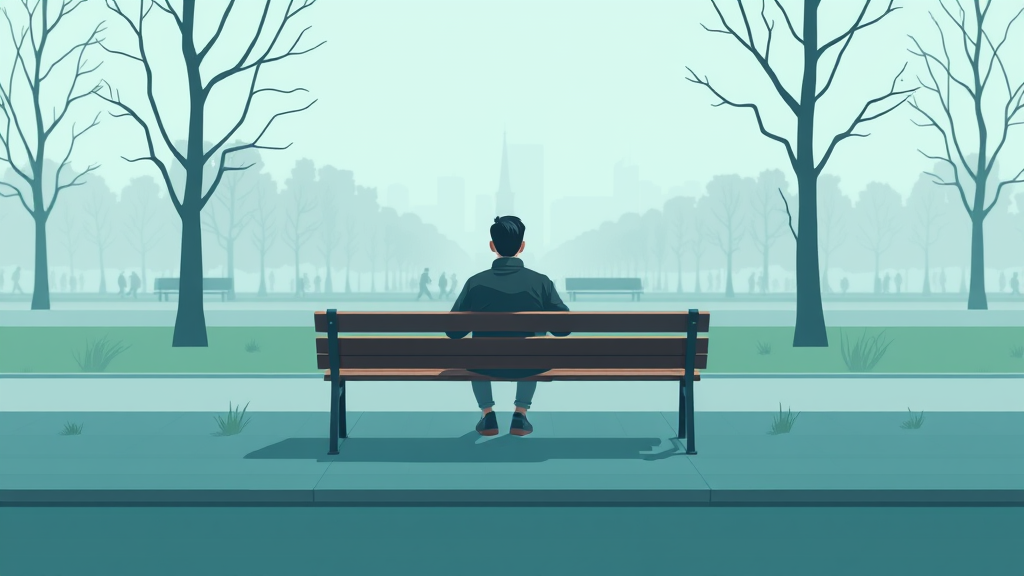

New research suggests that nearly one in six adults reports feeling lonely often, and the researchers behind the work point to the COVID-19 pandemic as leaving a lasting mark on how connected we feel to each other. You can read the full report here.
I've written about loneliness before, and I keep coming back to it because the numbers refuse to budge. Roughly 16 percent of adults, that's a huge chunk of the population, describing their loneliness as frequent. Not occasional, and not "I had a quiet weekend." Frequent.
What strikes me about this study, and what I want you to understand as someone who spent twenty years at the bedside, is that loneliness is not a mood. It's a physiological state. Chronic loneliness is associated with higher risks of heart disease, weakened immune function, poor sleep, and faster cognitive decline. Researchers have compared its long-term health impact to smoking a pack of cigarettes a day. When I say that, I'm not trying to frighten you. I want to give loneliness the same weight we give blood pressure and cholesterol, because your body does.
The pandemic connection matters here. The researchers found that the social disruption of 2020 and beyond didn't just create temporary isolation, it seems to have altered habits and relationships in ways that never fully recovered. Some friendships didn't survive the pause. Some people who lost a routine of office chatter or church coffee hour or the bowling league never rebuilt it. And for older adults especially, the muscle of getting out and about atrophied in a way that's hard to rebuild at 78.
I saw this up close. After my son Linton went through his own health struggles in his twenties, I watched how easily a person can slide from busy and connected to isolated and quietly suffering. The slide is gradual, and the people it happens to rarely announce it. The part that worries me most about a statistic like one in six is that loneliness is invisible. The person next to you at work, the neighbor who waves but always declines the invite, they may be in that 16 percent and you'd never guess.
So what do we do with this? A few honest thoughts.
First, treat social contact like a health behavior, the same way you treat walking or vegetables. I know that sounds clinical, but scheduling a phone call isn't sad, it's maintenance. My mother called her sister every Sunday for forty years and neither of them ever described it as anything other than what you do.
Second, if you're the one feeling lonely, please don't read this statistic as confirmation that you're broken. Loneliness rose across the board. You're responding normally to circumstances that pulled people apart. And the research on loneliness is clear that even small connections help. The bar is lower than you think. A weekly walk with one friend moves the needle.
And third, ask yourself a question, the same one I ask my readers: when did you last have a conversation that went past the weather? If you have to think hard, that's your starting point. Not a support group, not a grand life overhaul. One real conversation.
Researchers will keep tracking whether these numbers ease as we get further from the pandemic. I hope they do. But I wouldn't wait on the data. The fix for loneliness has always been embarrassingly simple and stubbornly hard: reach out, and answer when someone reaches for you.
Comments (0)
Log in or sign up to join the conversation.
No comments yet. Be the first.