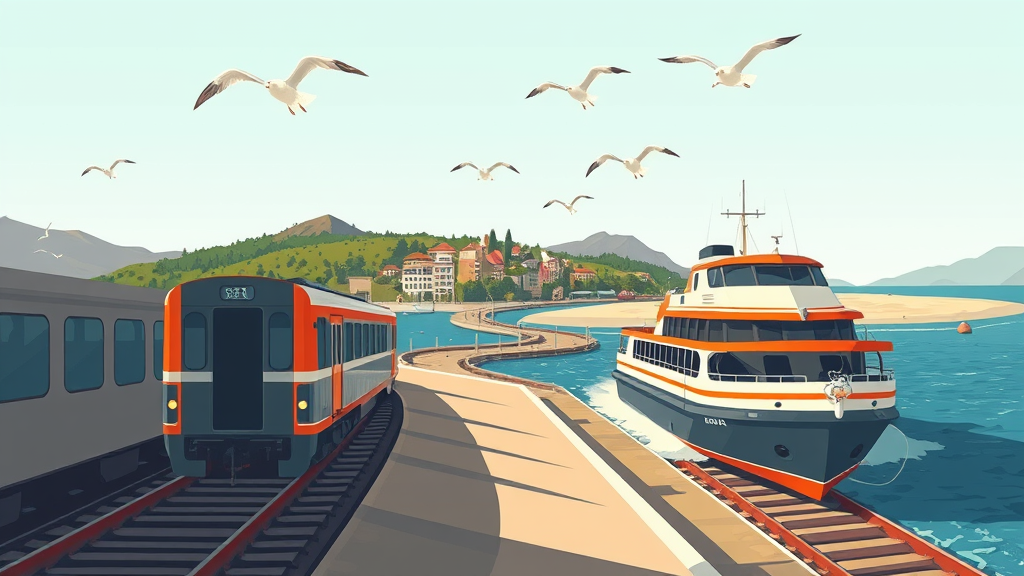

Somebody finally did the thing most of us just talk about doing. A self-described transit romantic recently crisscrossed the East Coast's prime summer destinations using nothing but trains, ferries, and buses. No rental car, no rideshare lifeline, just schedules and stubbornness.
The Seattle Times tracked the whole odyssey, and it hits me right in my soft spot. I spend most of my writing life telling you which vehicle to take where, so a story about taking no vehicle at all is a nice little gut check. Can you actually reach the beaches and small coastal towns people drive hours for, on public transit? Turns out, mostly yes, if you build your patience muscle first.
I want to underline that part for the skeptics, because the Northeast corridor is genuinely one of the few places in America where this works. Amtrak threads the big cities together, commuter rail reaches surprisingly deep into vacation country, and the ferry networks around New England and Long Island plug the gaps cars would normally fill. You can get from a downtown train station to salt water without ever touching a steering wheel. Try that in most of the West and you'll be walking the last forty miles, and I say that as someone who loves the West.
What appeals to me about a trip like this isn't the smugness of skipping a car. It's what slow travel does to a route. When you're on a ferry for two hours or waiting on a platform in a town you'd otherwise blow past at 70 mph, you actually see the place. I've driven the East Coast. My memories of it are mostly windshield-shaped. The train version sticks, because you're not white-knuckling traffic, you're watching the marshes go by.
There's a practical argument too, and I'd be a fraud if I didn't mention it since I just wrote about what a 2,350-mile EV road trip teaches you about chargers. Every form of travel has friction. Cars have traffic and parking, EVs have charger roulette, and transit has schedules. The schedule tax is real: you don't leave when you want, you leave when the bus leaves, and a missed connection can strand you in a ferry town overnight. That last one isn't always a punishment, but pack for it. The transit romantic in the story clearly planned around the rhythm instead of fighting it, which is basically the entire skill involved.
If this piece makes you want to try a car-free stretch, start small. Pick one region, I'd suggest coastal New England or the Long Island ferry routes, and build a three-day loop with a bailout option. Book lodging near an actual station or ferry terminal, not a mile away, because that last mile on foot with a duffel bag is where these trips go sideways. And carry the paper schedule. Apps lie exactly when you need them most, a lesson I've learned soaking wet at more than one trailhead.
I still love a road trip. A good car on a good road with the windows down is hard to beat, and I'm not giving that up. But the outdoors belong to everybody, and so do the best coastal towns, and you shouldn't need a driver's license and a tank of gas to get to the ocean. Somebody proving you can do it with a ferry ticket and a bus pass is my favorite kind of travel story this summer.
Next time I'm up that way, I'm leaving the keys behind for at least one leg. Just to see if I've been talking about this for years without ever actually doing it. I suspect I have.
Comments (0)
Log in or sign up to join the conversation.
No comments yet. Be the first.