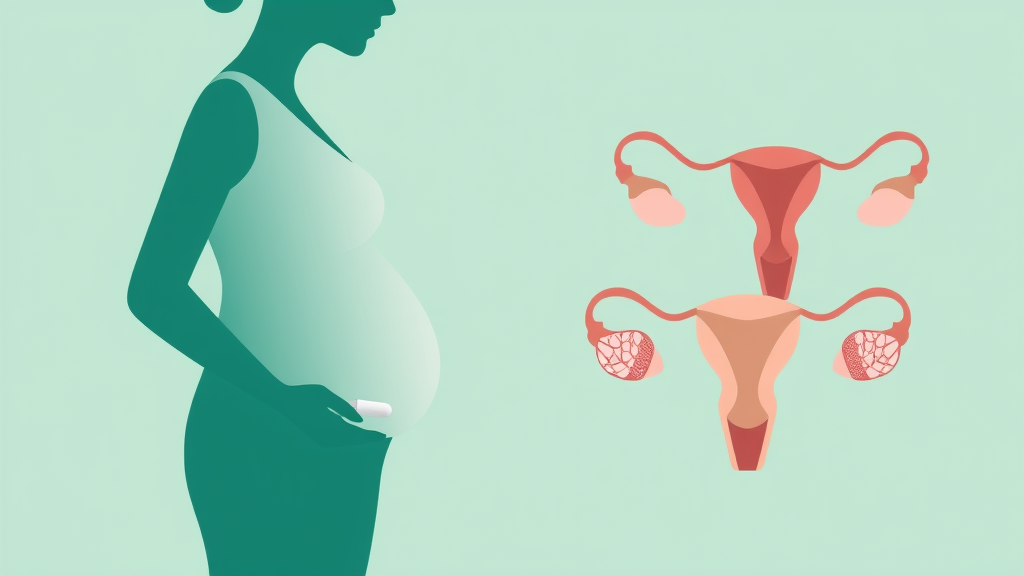

Acetaminophen, the active ingredient in Tylenol, has long been the pain reliever doctors reach for in pregnancy. When a pregnant patient shows up with a fever or a bad headache, it's the one they typically recommend, because the alternatives, like ibuprofen, carry clearer risks. So when a study comes along suggesting possible effects on a developing daughter's uterus and ovaries, I pay attention, and I want you to read it carefully rather than panic.
The new research, covered by Healthline, found a potential link between prenatal acetaminophen exposure and changes in how the uterus and ovaries develop in female offspring. This isn't the first time the drug has faced scrutiny in pregnancy. Earlier studies have looked at possible connections to language delays and attention issues, and this adds reproductive development to the list of questions researchers are asking.
Why this matters, in plain terms: a baby girl is born with all the eggs she'll ever have, and her reproductive organs form during those months in the womb. Hormones drive that whole process, and acetaminophen is known to have some weak effects on hormone pathways. So there's a plausible biological mechanism here, not a statistical blip. Though I'll add that a plausible mechanism is the beginning of a scientific conversation, not the end of one.
And this is where I put on my nurse hat. Untreated fever and unrelieved pain during pregnancy aren't harmless either. High fevers in early pregnancy have been associated with their own developmental risks, and suffering through severe pain helps no one, least of all the baby. When Linton was little and I was still working hospital shifts, I watched pregnant patients agonize over every medication decision, convinced any pill would harm their baby. The guilt loop is real, and it usually isn't warranted.
So what do you actually do with this information? A few sensible things. Use acetaminophen during pregnancy when you need it, at the lowest effective dose, for the shortest time that works. Don't reach for it daily as a routine preventive the way some people do. And if you have a fever or significant pain, treat it, then talk with your OB about anything that's worrying you. This study, like most of its kind, shows an association at a population level. It doesn't tell us that any individual child will be affected, and it doesn't establish cause and effect.
What I'd want to see next is replication. One study finding changes in uterine and ovarian development markers needs repeating in other groups before it shifts medical advice. In the meantime, the cautious middle ground, use it when needed, skip it when you don't, is genuinely the evidence-based position. It's not just a comfortable hedge.
If you're pregnant and you've taken Tylenol recently, please don't spiral. I mean that. The absolute risks being discussed in this research are small and uncertain, and the clear, immediate risks of letting a fever climb are better established. Take a breath, talk to your provider, and keep this one on the watch list rather than the worry list.
Comments (0)
Log in or sign up to join the conversation.
No comments yet. Be the first.