
I've packed for road trips beautifully and I've packed for them badly, and the difference is usually about forty minutes of thinking before you load the car. So when I saw Road Snacks put together a full road trip packing list covering comfort, safety, and keeping yourself sane between stops, I figured I'd weigh in on what actually earns its space in the trunk after a couple decades of this.
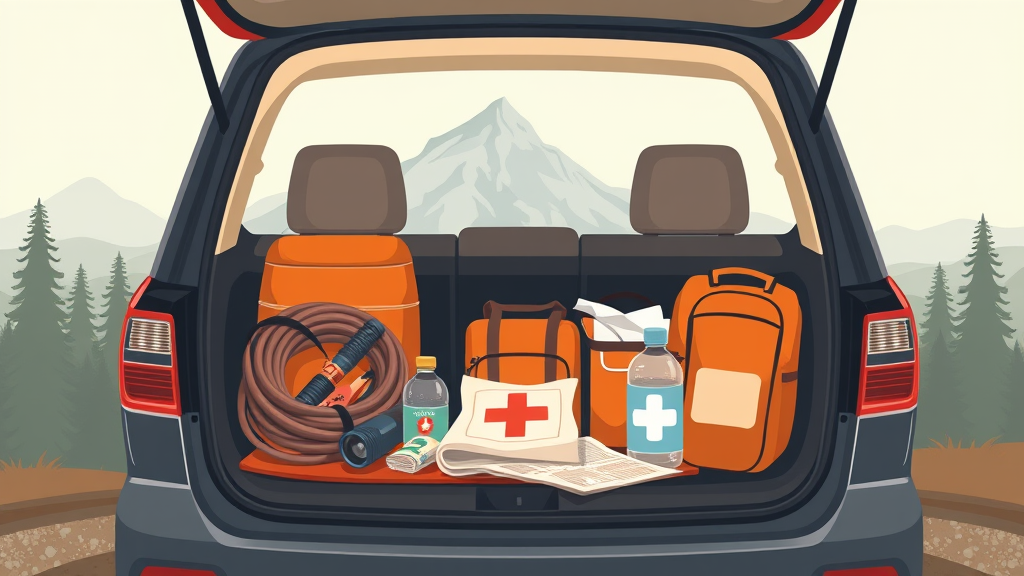
Safety stuff first, because it's the least fun and the most important. Jumper cables or a lithium jump pack, tire pressure gauge, a real flashlight with actual batteries, first aid kit, and water. More water than you think. I keep a case of bottled water in the back of my car year-round, and there have been trips where it went from "safety item" to "lunch" real fast. Road Snacks covers the same core ground, but none of it matters if it's buried under a duffel bag you can't move when you need it. Keep the emergency kit where you can reach it without unpacking.
Comfort is where people overpack. I've watched friends bring four outfits per day and then wear the same pair of joggers for a week straight. You need layers, not bulk. A fleece, a rain shell, one pair of real shoes and one pair you can destroy. A blanket, because someone in the car will get cold and it will probably be you. A travel pillow sounds like a luxury until hour nine of a driving day, and then it sounds like wisdom.
Now the gear I'll defend to anyone: a headlamp. Not a phone flashlight. A headlamp. My phone flashlight has died at exactly the wrong moment twice, and one of those times I was setting up a campsite in the dark outside Moab holding a tent pole in my teeth. A headlamp costs twenty bucks and keeps your hands free. This is the hill I'll die on, possibly literally, since I also carry mine on every hike.
Food and snacks deserve their own paragraph, because road trip food is half the experience. Skip anything that melts, anything that crumbs into the seat rails, and anything you'll feel bad about by day three. My go-to bag: jerky, apples, trail mix, a sleeve of tortillas (they don't crush like bread), peanut butter, and a small cooler with cheese and drinks. Gas station food has its place, and I will never fully abstain from a roller-grill hot dog, but you can't build a trip on them.
Entertainment matters more than people admit. Downloads beat streaming on long stretches, especially out west where cell service becomes a rumor. Playlists made in advance, an audiobook everyone in the car can tolerate, and a couple of actual road games. I wrote a whole piece on games that make the hours disappear, and my favorite is still the license plate game, because it requires nothing and quietly keeps everyone looking out the window instead of down at a screen.
A few things people forget: paper towels or an actual rag, trash bags, a phone mount, a spare charger cable because the one in your door pocket will vanish, and sunglasses for every driver. Small tolls in cash if you're crossing states that still take it. A paper map sounds quaint until you're rerouted around a closure with no signal, and the Gazetteer has genuinely saved me more than once. Duct tape, paracord, zip ties. Throw them in a bag. You'll find out why later.
Last bit of advice, and the one I keep repeating because it's true: tell someone your route and when you expect to be back. It costs nothing and it's the single most practical safety step on any list. Also, leave room in the car. An overstuffed trunk means you can't reach the jumper cables, can't squeeze in the souvenir rocking chair you didn't plan on, and can't see out the back window.
My test for every item is simple. Have I used it on a trip before? If the answer is no after three trips, it doesn't go back in the bag. The car isn't a storage unit. Load what you need, leave the rest in the garage, and get out there. The road does the rest.
Comments (0)
Log in or sign up to join the conversation.
No comments yet. Be the first.