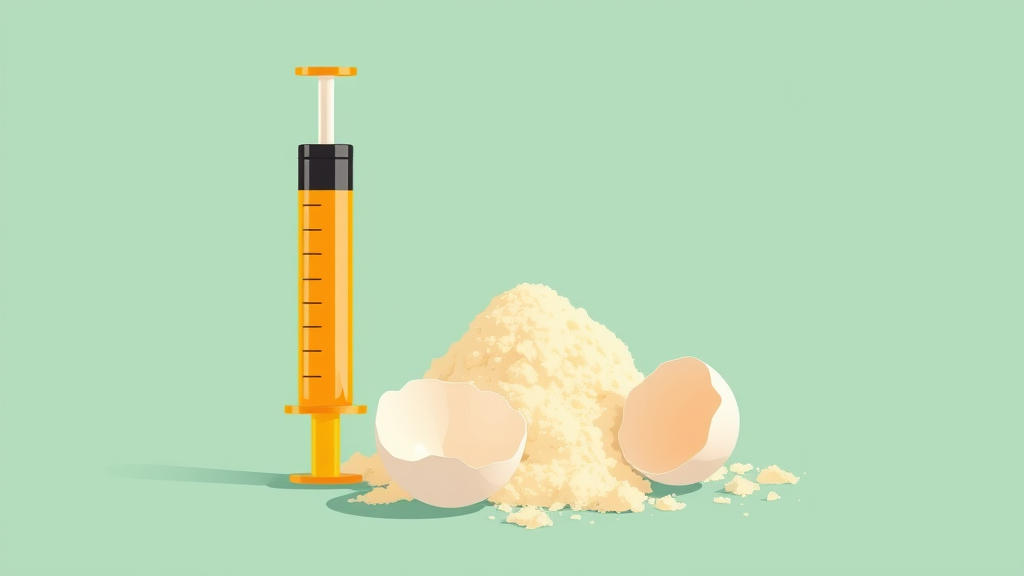

Every fall I used to line up flu shots for the whole ward, and every fall the conversation was the same: this year's match is decent, or this year's match is shaky. The flu vaccine works, but it's a moving target, because the virus keeps changing. So when I read that researchers have developed a flu vaccine grown in baker's yeast, one that might offer longer protection and a simpler way to manufacture it, I paid attention.
Reuters reported this week on the new approach, and the yeast part is what makes it interesting.
Most flu vaccines today are grown in chicken eggs. That process has worked for decades, don't get me wrong, but it's slow. Manufacturers need millions of eggs and months of lead time, and the virus has to adapt to grow in eggs, which can sometimes nudge the vaccine slightly away from the virus actually circulating. Yeast offers a different route. You can grow it fast, in big tanks, without depending on egg supply chains, and the platform is already familiar to medicine. The hepatitis B vaccine has been made in yeast for years, so the regulatory road isn't starting from zero.
Let me overexplain one piece here, because it matters for understanding why this could mean longer protection. Standard flu vaccines target a part of the virus called hemagglutinin, specifically the head, which mutates constantly. That's why you need a shot every year. The yeast-grown candidate is designed to push the immune system toward parts of the virus that change much less from strain to strain. If your antibodies recognize those stable regions, the thinking goes, protection could last more than one season and hold up better against mismatched strains.
Now the caution, because there's always a caution and you know I'll give it to you. This is early. Longer-lasting protection is a goal, not yet a demonstrated outcome in large human trials. I don't chart what I didn't observe, and so far what we have is promising early data, not proof. The real test comes in bigger trials across multiple flu seasons, with real people exposed to real circulating viruses.
Still, the manufacturing side alone could matter. Faster production counts most in a bad flu year or an outbreak of a new strain, when every week of delay costs lives. A platform that doesn't rely on eggs and can scale quickly is a genuine upgrade to our toolkit, even if the duration of protection ends up only modestly better.
My son Linton asked me last night why the flu shot is yearly when his tetanus shot isn't, and this news is the answer in progress. The goal has always been a flu vaccine that behaves more like the ones we don't have to think about annually.
I'll keep an eye on the trial results as they come in. In the meantime, please get your regular flu shot this fall. The vaccine we have today is good, and a better one on the horizon isn't a reason to skip the protection that exists right now.
Comments (0)
Log in or sign up to join the conversation.
No comments yet. Be the first.