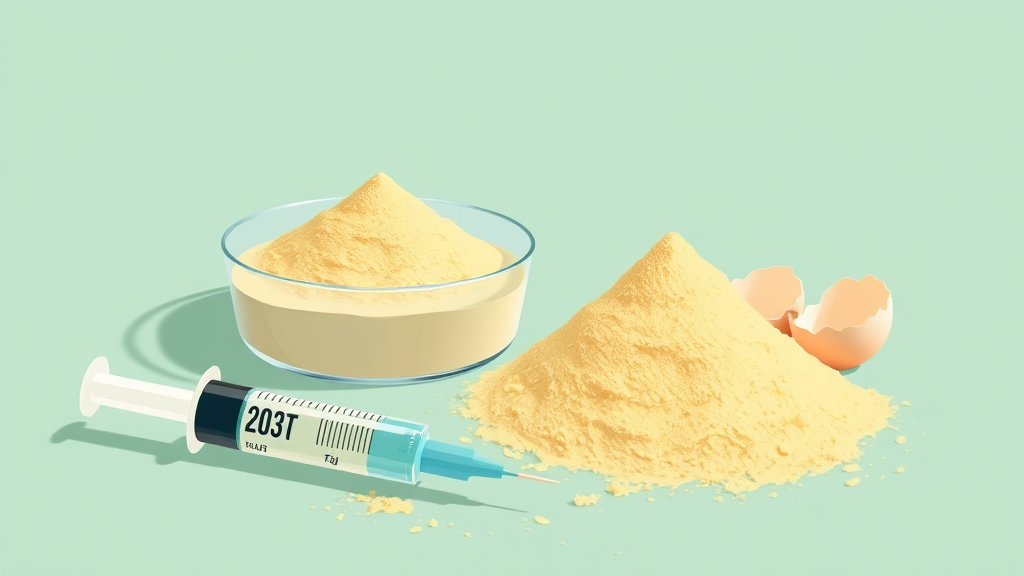

I wrote about this yeast-grown flu vaccine back on the 27th, and Reuters has more detail now, so let me walk you through what's actually happening here, because I think this one genuinely matters.
Most flu vaccines today are grown in chicken eggs. It's a technology we've been using since the 1940s, and to be fair, it works. But it's slow. Manufacturers have to predict which flu strains are coming months in advance, grow those strains in enormous numbers of eggs, then harvest and purify the result. If the virus mutates along the way, and it sometimes does, the vaccine you get in October may not match what's actually circulating in January. Anyone who's had a flu shot and then the flu anyway knows how frustrating that mismatch can be.
This new approach uses baker's yeast, the same humble organism that makes bread rise, to produce vaccine components instead. Researchers engineer the yeast to churn out the viral proteins the immune system needs to recognize, then harvest them. No eggs, no waiting on slow viral growth, and a manufacturing platform that can scale up fast.
Why am I repeating myself on this? Because the new reporting adds the part I care about most: durability. Studies in mice suggest this vaccine may work with fewer booster shots, meaning protection that lasts longer than the standard annual shot. That's something flu researchers have chased for years. Our current flu vaccines fade noticeably within months. A flu vaccine that holds its edge longer, or even covers multiple seasons, would change the conversation entirely.
Now, some nursing-hat honesty. "Could" is doing real work in that headline. These are animal findings, not human data, and durability claims need multiple flu seasons of results in people before I'd call them settled. The immune system is patient and sneaky about revealing its limits, and one good antibody response in a lab doesn't always translate to a winter without sick days. Whether this vaccine ever reaches human testing, and how it performs there, will decide everything.
What excites me from the practical side, though. An egg-free platform isn't only faster. It also serves people with egg allergies who've had to navigate flu shots cautiously for decades. And a yeast platform can respond to an unexpected strain, or something worse, in weeks rather than the long runway eggs demand. During my hospital years, I watched vaccine supply problems ripple through an entire flu season. Manufacturing speed is not a glamorous kind of progress, but it's the kind that keeps waiting rooms from overflowing.
Linton asked me over coffee last weekend why I keep writing about vaccine manufacturing of all things, and I told him the truth: the boring logistics of medicine saves more lives than most breakthroughs ever do.
So, temper your expectations, but stay interested. Mice are a starting point, not a finish line, and plenty of promising vaccines never clear that hurdle. Still, if the durability findings eventually hold up in humans, this could quietly become one of the more meaningful changes to routine preventive care we've seen in a while. I'll keep tracking it, and I'll let you know when there's real human data to talk about.
Comments (0)
Log in or sign up to join the conversation.
No comments yet. Be the first.